








What's Happening?
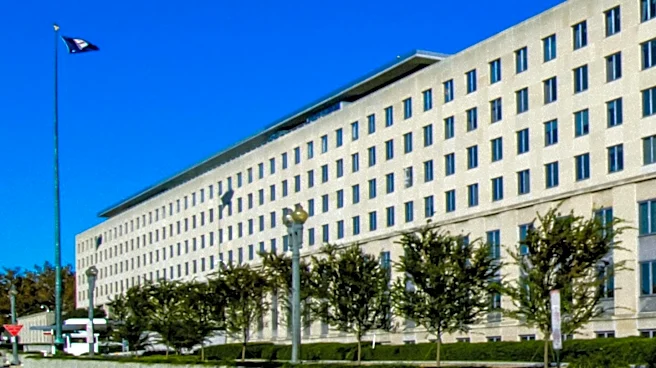
Nearly a year has passed since the Trump Administration implemented a significant restructuring of the State Department, resulting in the layoff of over 1,350 employees, including foreign service officers. This move was part of a broader effort to streamline
the federal government by reducing redundancies. The Supreme Court cleared the way for this reduction in force plan on July 8, 2025. The decision has been met with criticism from current and former diplomats, with the American Foreign Service Association expressing concerns over the loss of diplomatic expertise at a critical global moment. The restructuring has raised questions about its impact on U.S. global power, aid, and diplomacy, as well as the current operations of the agency and the fate of the former employees.
Why It's Important?
The restructuring of the State Department has significant implications for U.S. diplomacy and international relations. The reduction in workforce could potentially weaken the country's diplomatic capabilities at a time when global challenges require robust engagement. The loss of experienced diplomats may hinder the U.S.'s ability to effectively negotiate and maintain international partnerships. Additionally, the move reflects broader trends in government restructuring under the Trump Administration, which could influence future policy decisions and the overall approach to federal governance. The impact on former employees also raises concerns about the human cost of such large-scale layoffs and the potential loss of institutional knowledge.
What's Next?
The future of the State Department's operations and its ability to maintain effective diplomacy remains uncertain. It is likely that the department will need to adapt to the reduced workforce by prioritizing key areas of engagement and possibly seeking new ways to leverage technology and partnerships. The response from international partners and the broader diplomatic community will be crucial in determining the long-term effects of the restructuring. Additionally, there may be ongoing discussions and evaluations within the government regarding the effectiveness and consequences of such significant organizational changes.