
What's Happening?
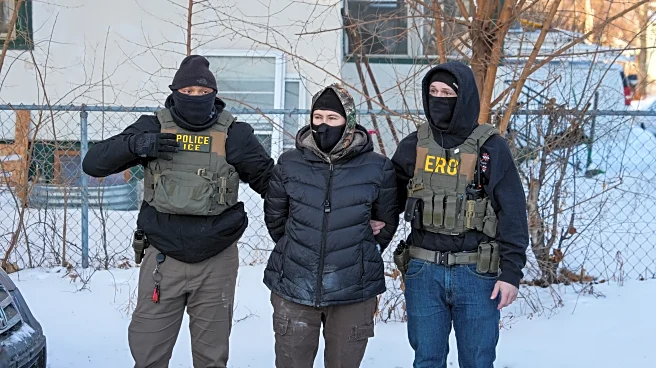
The Supreme Court has made it increasingly difficult for individuals to sue federal immigration agents for alleged constitutional violations. This development follows the case of Renee Nicole Good, who
was shot by an ICE agent. Her family faces significant legal hurdles in seeking justice due to a series of Supreme Court decisions that have narrowed the pathways for such lawsuits. The 1971 'Bivens' decision initially allowed for lawsuits against federal agents for constitutional violations, but recent rulings have limited this scope. The Court has emphasized that Congress has provided alternative remedies through the Federal Tort Claims Act (FTCA), which allows for lawsuits against the U.S. government for certain wrongful acts by federal employees. However, this process is complex and does not permit jury trials, making it less favorable for plaintiffs.
Why It's Important?
This legal landscape has significant implications for accountability and justice in cases involving federal immigration agents. The restrictions on suing federal agents directly for constitutional violations mean that individuals may have limited recourse when alleging misconduct. This situation could potentially embolden federal agents, knowing that the legal consequences are minimal. The broader impact is a potential erosion of trust in federal law enforcement agencies and a perception of impunity. The challenges faced by the Good family highlight the need for legislative action to address these legal gaps and ensure that federal agents are held to the same standards as state and local officers.
What's Next?
The Good family's legal team may pursue an administrative claim under the FTCA, which could eventually lead to a court case, albeit without a jury. Meanwhile, there is ongoing legislative effort, such as the proposed 'Bivens Act,' which aims to allow lawsuits against federal officers similar to those against state officers. However, without bipartisan support, the passage of such legislation remains uncertain. The Trump administration's aggressive immigration enforcement tactics continue to face criticism and legal challenges, which may influence future policy and legal frameworks.