



What's Happening?
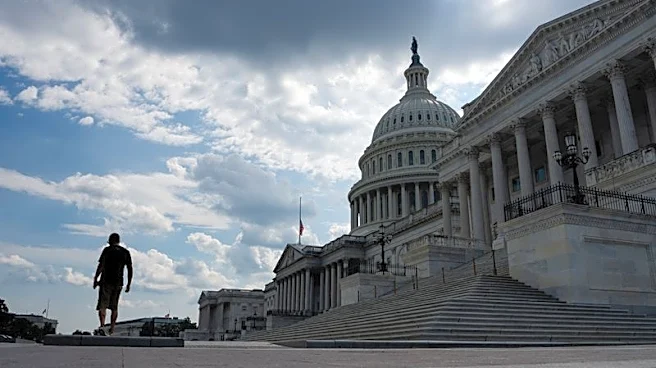
The U.S. House of Representatives has passed H.R. 4795, the 'Protect Economic and Academic Freedom Act,' with a vote of 237-169. Introduced by Reps. Virginia Foxx (R-N.C.) and Josh Gottheimer (D-N.J.), this bipartisan legislation aims to prevent higher
education institutions receiving federal funds from engaging in 'nonexpressive commercial boycotts' of Israel. The bill defines such boycotts as refusals to deal or terminating business relationships without a 'valid business reason' to limit commercial ties. Additionally, the act mandates that these institutions must annually certify that they provide equal access for students and faculty to academic programs in Israel, comparable to those in other countries. Supporters, including Rep. Foxx, argue the bill is a crucial step in combating antisemitism on college campuses, which they believe is fueled by anti-Israel movements like BDS. Critics, however, contend that no American university has actually adopted such boycott policies, making the legislation a 'solution in search of a problem,' as stated by Rep. Bobby Scott (D-Va.).
Why It's Important?
This legislation carries significant implications for academic freedom and institutional autonomy within U.S. higher education. By conditioning federal funding on adherence to specific policies regarding Israel, the bill could compel universities to alter their commercial and academic relationships. Proponents argue that this measure is vital for protecting Jewish students and faculty from discrimination and ensuring that U.S. taxpayer funds do not support antisemitic actions. They believe that boycotts of Israel are inherently discriminatory and contribute to a hostile environment on campuses. Conversely, opponents raise concerns about potential infringements on First Amendment rights, particularly the right to boycott, which they argue is a form of political expression. The bill's focus on 'nonexpressive commercial boycotts' attempts to navigate constitutional challenges, but critics like Lara Friedman, President of the Foundation for Middle East Peace, suggest it could erode First Amendment protections for boycotts more broadly. The passage of this bill could set a precedent for federal intervention in university policies related to international relations and political expression.
What's Next?
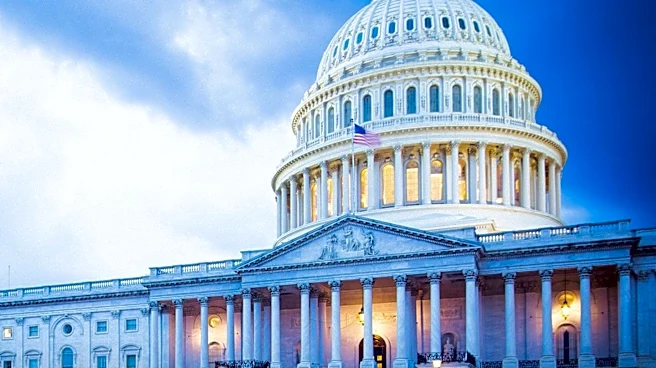
Following its passage in the House, the 'Protect Economic and Academic Freedom Act' will now move to the Senate for consideration. If passed by the Senate and signed into law, universities that receive federal student aid programs would be required to comply with its provisions, including annual certifications regarding their engagement with Israel. Failure to comply could result in the loss of federal funding, a significant financial blow for many institutions. This could lead to increased scrutiny of university partnerships and commercial dealings, potentially prompting legal challenges from institutions or advocacy groups concerned about free speech and academic freedom. Stakeholders, including university administrations, student organizations, and civil liberties advocates, will likely monitor the bill's progress closely and prepare for potential adjustments to their policies or legal actions. The debate surrounding the bill is also expected to continue, highlighting the ongoing tensions between combating antisemitism and protecting constitutional rights on college campuses.
Beyond the Headlines
The 'Protect Economic and Academic Freedom Act' delves into deeper issues concerning the balance between national foreign policy interests, academic freedom, and constitutional rights. While framed as a measure to combat antisemitism, the legislation implicitly targets the Boycott, Divestment, and Sanctions (BDS) movement, which some view as a legitimate form of political protest against Israeli policies. The bill's attempt to distinguish between 'expressive' and 'nonexpressive' boycotts, drawing from a 2022 Eighth Circuit ruling, raises complex legal questions about the scope of First Amendment protections. This legislative action could inadvertently chill free speech and political activism on campuses, as universities might become more cautious about any actions perceived as critical of Israel to avoid jeopardizing federal funding. Furthermore, the bill highlights a growing trend of federal and state governments intervening in university affairs, particularly concerning geopolitical issues, which could have long-term implications for the autonomy of higher education institutions and their role as forums for diverse viewpoints and critical discourse.