





What's Happening?
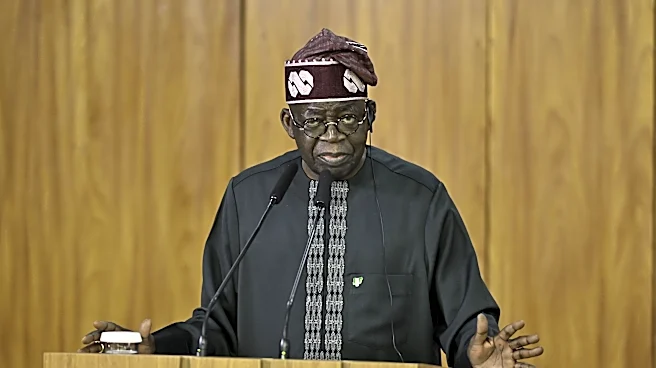
The Federal Government of Nigeria has announced its readiness to host the 2026 World Public Relations Forum (WPRF) in Abuja, scheduled for November 15–22. The Minister of Information and National Orientation, Mohammed Idris, confirmed Nigeria's capacity
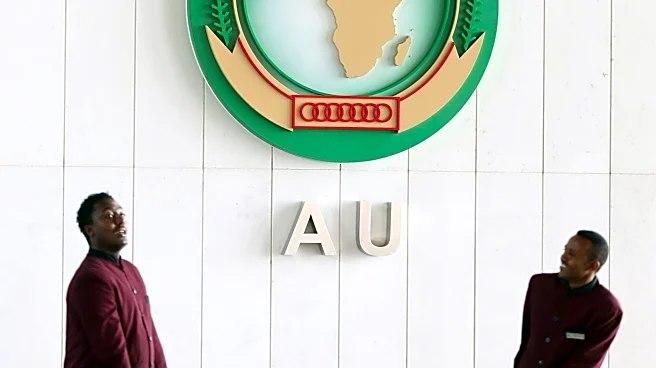
to deliver a successful event, with President Bola Tinubu serving as Chief Host. Over 126 countries and major international institutions, including the United Nations, World Bank, African Union, and European Commission, are expected to participate. This marks Nigeria as the first West African nation and the second in Africa to host the WPRF. The forum's theme, 'Responsible Communication: The Voice of the World,' aims to address challenges posed by the evolving information ecosystem, such as misinformation, disinformation, and declining public trust. Public relations professionals are urged to uphold truth, accuracy, transparency, ethical standards, and public interest in their practice. The Nigerian government views this as an opportunity to showcase its capabilities, strengthen international partnerships, and contribute to shaping the future of global communication.
Why It's Important?
Hosting the 2026 World Public Relations Forum is significant for Nigeria as it provides a platform to enhance its global standing and influence in communication discourse. The event will bring together a diverse international audience, fostering diplomatic ties and potential collaborations. By emphasizing 'Responsible Communication,' Nigeria is positioning itself at the forefront of addressing critical global issues like misinformation and disinformation, which have far-reaching impacts on societal trust and stability. This initiative aligns with broader efforts to promote media and information literacy, as evidenced by the government's support for the UNESCO Category 2 International Media and Information Literacy Institute (IMILI) in Abuja. For the public relations industry, the forum reinforces the importance of ethical practice and transparency in an increasingly complex digital landscape, potentially setting new benchmarks for professional conduct worldwide. The event also offers economic benefits through increased tourism and international engagement.
What's Next?
Preparations for the 2026 World Public Relations Forum will continue, with the Ministry of Information and National Orientation coordinating various aspects, including protocol, security, logistics, hospitality, and stakeholder engagement. The Nigerian Institute of Public Relations (NIPR) will play a crucial role in these preparations, having been instrumental in securing the hosting rights. Following the forum, there is an expectation that Nigeria will leverage the international exposure to further its agenda on responsible communication and media literacy. The discussions and outcomes from the WPRF could lead to new international collaborations and initiatives aimed at combating misinformation and promoting ethical communication practices globally. Delegates are also encouraged to explore Nigeria's cultural heritage and economic opportunities, potentially leading to increased foreign investment and cultural exchange.
Beyond the Headlines
The decision to host the World Public Relations Forum in Nigeria underscores a broader recognition of Africa's growing influence in global dialogues. By bringing together communication leaders from over 126 countries, Nigeria is not only showcasing its organizational capacity but also asserting its role in shaping international norms around information dissemination. The forum's focus on 'Responsible Communication' highlights a critical global challenge in an era dominated by digital platforms and artificial intelligence. This initiative could catalyze a more unified approach among nations to combat the erosion of public trust and promote media literacy, especially among younger generations. Furthermore, the event could serve as a catalyst for strengthening professional standards within the public relations industry, encouraging a greater commitment to truth and transparency in an increasingly polarized world. The long-term impact could be a more informed global citizenry and a more ethical communication landscape.