


What's Happening?
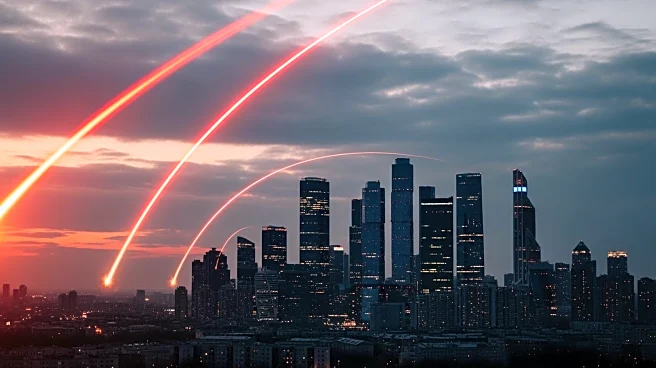
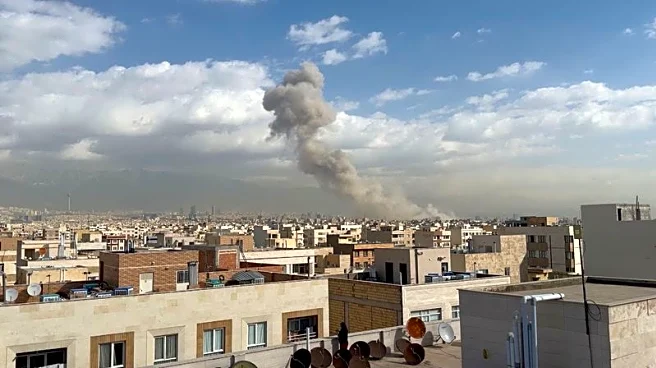
House Minority Leader Hakeem Jeffries has called for a vote on a war powers resolution following recent airstrikes on Iran conducted by the U.S. and Israel. The strikes have raised concerns about the escalation of military actions without explicit congressional
approval. Jeffries, representing the Democratic Party, emphasizes the need for legislative oversight in military engagements, advocating for a formal vote to ensure that such actions align with U.S. law and international norms. This development comes amid heightened tensions in the Middle East, with potential implications for U.S. foreign policy and military strategy.
Why It's Important?
The call for a war powers resolution underscores the ongoing debate over the balance of power between the executive and legislative branches in military decision-making. Jeffries' stance highlights the importance of congressional oversight in authorizing military actions, which could impact U.S. foreign policy and its approach to international conflicts. The resolution, if passed, could set a precedent for future military engagements, ensuring that they receive proper legislative scrutiny. This move also reflects broader concerns about the potential for unchecked military actions to lead to prolonged conflicts, affecting global stability and U.S. diplomatic relations.
What's Next?
The proposed vote on the war powers resolution will likely prompt discussions within Congress about the scope of executive authority in military matters. Lawmakers may debate the implications of the airstrikes and the necessity of a formal resolution to guide future actions. The outcome of these discussions could influence U.S. military strategy and its approach to international conflicts, particularly in the Middle East. Stakeholders, including political leaders and advocacy groups, may weigh in on the resolution, shaping the legislative response to the airstrikes and broader military policies.