







What's Happening?
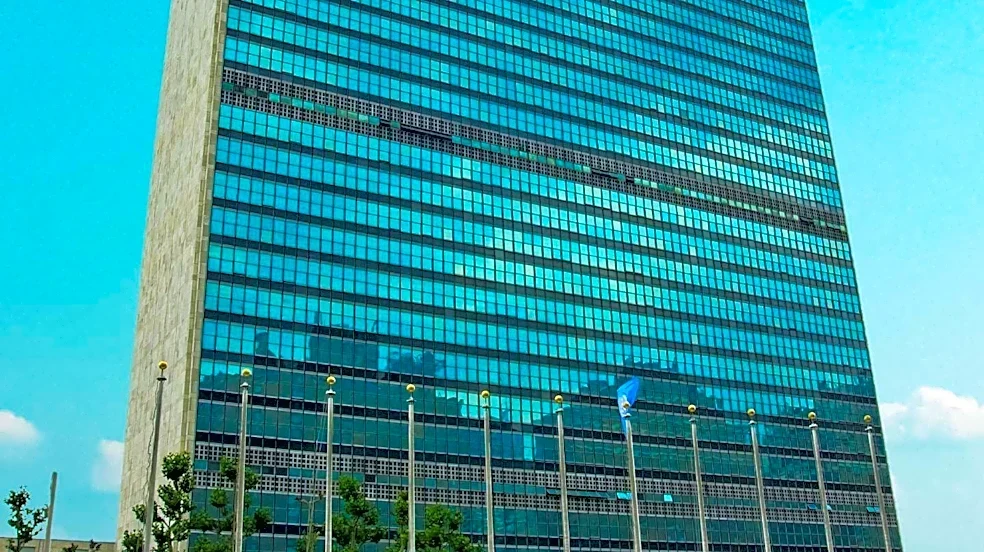
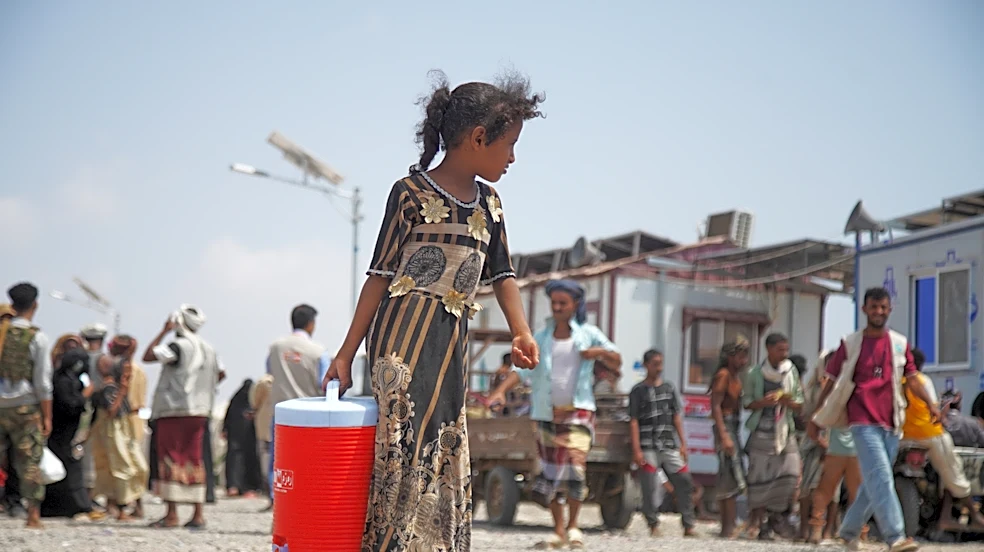
UN High Commissioner for Human Rights Volker Türk and UN Special Rapporteur on the Right to Food Sofía Monsalve Suárez have highlighted that global food insecurity, affecting 266 million people with acute hunger, is primarily driven by injustice, denial
of human rights, and the use of starvation as a weapon of war. Despite a historic high in global food supply, vulnerable populations face intense food insecurity due to factors such as mass food waste, corporate monopolies on agricultural goods, disparate impacts of climate change, and conflict-driven destruction. While international humanitarian law (IHL) prohibits the use of starvation as a method of warfare, Türk and Suárez indicate that these laws are not being obeyed in practice, with conflict currently driving acute hunger in 12 of 13 global hunger hotspots. Experts have previously expressed concern over parties depriving civilians of food and water during conflicts, such as in Gaza.
Why It's Important?
The statements from UN officials underscore a critical global humanitarian crisis with significant implications for international law and human rights. The deliberate use of starvation as a weapon of war represents a grave violation of international humanitarian law, which is designed to protect civilians during armed conflict. This practice not only causes immense human suffering and loss of life but also destabilizes regions, exacerbates refugee crises, and hinders long-term peace and development efforts. The broader issues of injustice, corporate control over food systems, and climate change further highlight systemic failures in ensuring equitable access to food, challenging the fundamental human right to adequate nutrition. The lack of accountability for these violations undermines the international legal framework and perpetuates cycles of violence and deprivation.
What's Next?
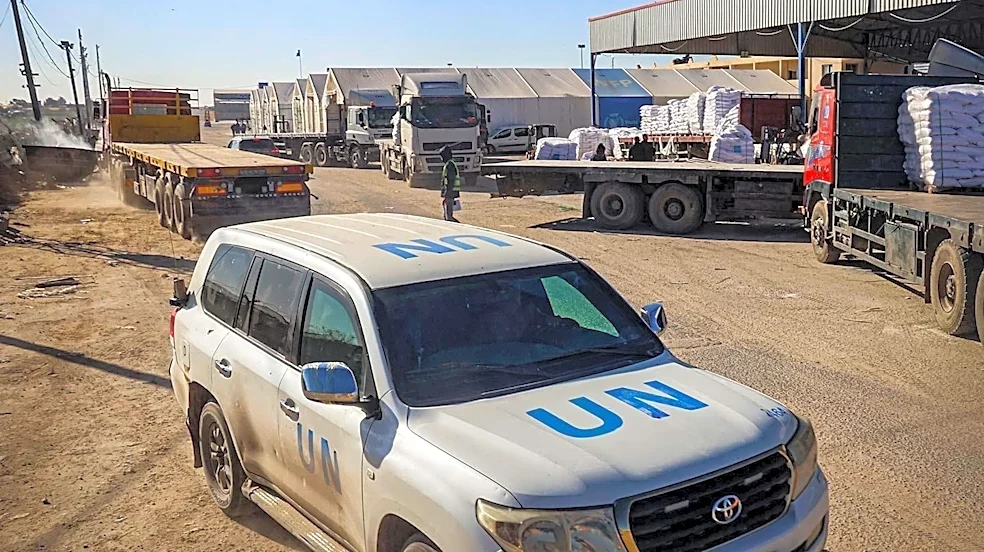
Türk and Suárez have called for several key actions moving forward. These include ensuring equitable access to land and water, strengthening frameworks to hold actors accountable for human rights violations, and increasing collaboration among international bodies such as the UN Security Council (UNSC), the Committee on World Food Security, and food security monitors. The re-examination of the legal framework surrounding food insecurity, particularly concerning accountability and famine prevention during armed conflict, is also a priority. These calls aim to translate theoretical legal protections into practical access to food for vulnerable populations and to enforce existing international laws more effectively to prevent the weaponization of hunger in future conflicts.
Beyond the Headlines
The persistent issue of food insecurity, despite ample global food production, points to profound structural inequalities and political failures. The weaponization of starvation is not merely a tactic of war but a deliberate strategy that can have long-lasting demographic, social, and economic consequences for affected populations, potentially leading to generational trauma and instability. The role of corporate monopolies in agricultural goods also raises questions about market ethics and the balance between profit motives and human welfare. Addressing these complex issues requires a multi-faceted approach that goes beyond humanitarian aid, encompassing robust international legal enforcement, economic reforms to ensure equitable resource distribution, and concerted efforts to mitigate climate change impacts on food systems. The challenge lies in fostering the political will among states to uphold their obligations and ensure the fundamental right to food for all.