




What's Happening?
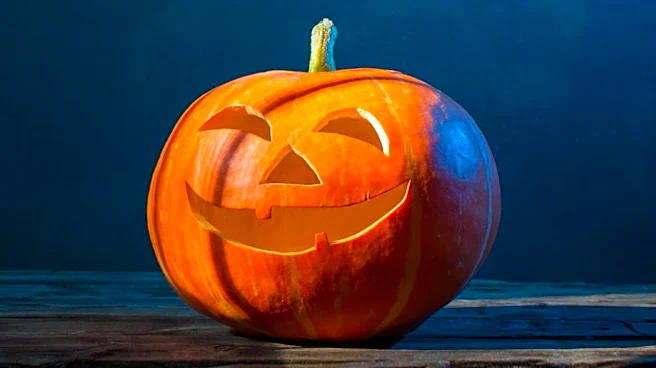
Millions of pumpkins used for Halloween and Thanksgiving decorations in the U.S. pose a significant threat to wildlife and the environment if not disposed of properly. In 2025, U.S. producers grew 1.47 billion pounds of pumpkins. Colorado Parks and Wildlife
issued a warning that leaving pumpkins out can attract wildlife, leading to dangerous interactions. Feeding wildlife, including luring bears, is illegal in Colorado. Pumpkins can attract animals like deer, elk, raccoons, black bears, and mountain lions. Bears, particularly active in the fall to gain weight before hibernation, are drawn to human-related food sources, which can lead to habituation and increased conflict. Attracting deer and elk can also draw predators like mountain lions and increase the risk of disease transmission and conflicts with humans and pets. Additionally, over 80% of purchased pumpkins end up in landfills, where they decompose and produce methane, a potent greenhouse gas 25 times stronger than carbon dioxide.
Why It's Important?
The improper disposal of pumpkins has critical implications for both wildlife conservation and environmental sustainability across the U.S. For wildlife, it creates unnatural food sources that can lead to habituation, increasing human-wildlife conflicts and potentially resulting in animals being euthanized. This is particularly true for bears, whose natural foraging patterns are disrupted, making them more reliant on human food. For the environment, the vast quantity of pumpkins ending up in landfills contributes significantly to greenhouse gas emissions, exacerbating climate change. Methane, produced from decomposing organic matter, is a powerful contributor to global warming. Promoting safe disposal practices, such as composting, is crucial to mitigate these negative impacts, reducing landfill waste and supporting healthier ecosystems. This issue highlights the broader challenge of managing seasonal waste and its ecological footprint.
What's Next?
To address the issue, Colorado Parks and Wildlife recommends bringing pumpkins indoors overnight and disposing of them quickly and safely after the holidays. The suggested disposal methods include composting, provided the pumpkins are free of decorations like candles, lights, wax, glitter, or paint. Many communities offer specific pumpkin composting programs, and local farmers or ranchers may use them for livestock feed or their own compost. Individuals are encouraged to check with their local community and compost facilities for proper disposal options. This push for responsible disposal aims to reduce wildlife conflicts and minimize methane emissions from landfills. Continued public education campaigns will be essential to raise awareness about the environmental and wildlife risks associated with improper pumpkin disposal.
Beyond the Headlines
The issue of pumpkin disposal extends beyond a seasonal concern, reflecting a larger societal challenge in managing organic waste and its environmental consequences. It underscores the need for greater public awareness regarding the lifecycle of consumer goods, even those perceived as natural or biodegradable. The production of 1.47 billion pounds of pumpkins annually highlights the scale of agricultural output dedicated to seasonal decorations, prompting questions about sustainable consumption patterns. This situation also brings to light the interconnectedness of human activities, wildlife behavior, and climate change, demonstrating how seemingly innocuous actions can have far-reaching ecological impacts. Promoting composting and other sustainable waste management practices for pumpkins could serve as a gateway to broader adoption of such practices for other organic waste, fostering a more circular economy and reducing overall environmental strain.