






What's Happening?
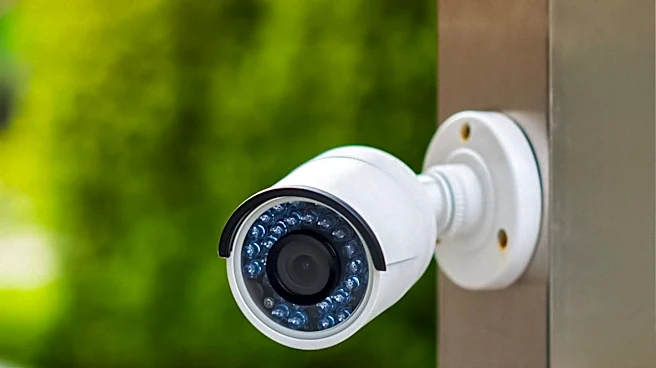
In New Bedford, Massachusetts, the use of Flock cameras by the police department has sparked a debate over privacy and surveillance. These cameras, which capture and store images of vehicle license plates, have been used to aid investigations. However,
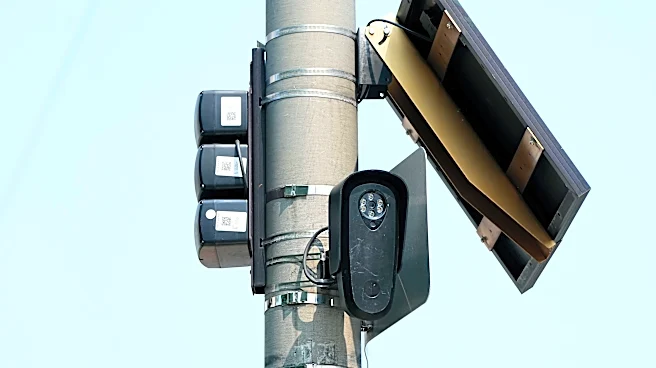
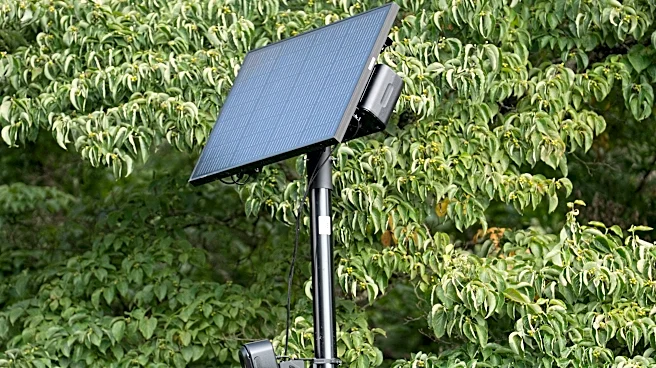
with the city discontinuing its contract with ShotSpotter, a gunshot detection system, there is concern that reliance on Flock cameras may increase. Currently, New Bedford employs seven standalone Flock cameras, 13 city-owned cameras with Flock technology, and one mobile security trailer. Data from these cameras is deleted after 30 days unless needed for investigations, and is shared with over 100 law enforcement agencies, but not with federal authorities like ICE. City councilman Leo Choquette has proposed a motion to halt the use of these cameras until stricter regulations are established, citing public discomfort with increased surveillance.
Why It's Important?
The debate over Flock cameras in New Bedford highlights broader concerns about privacy and government surveillance in the U.S. As more municipalities adopt such technologies, the balance between public safety and individual privacy rights becomes increasingly contentious. The potential for misuse or overreach by law enforcement agencies raises ethical and legal questions. Residents' apprehensions reflect a growing unease with the 'surveillance state' and the implications for civil liberties. The outcome of this debate could influence how other cities approach the integration of surveillance technology, potentially setting precedents for privacy regulations and law enforcement practices nationwide.
What's Next?
The New Bedford City Council will likely continue discussions on the regulation of Flock cameras. If Councilman Choquette's motion gains traction, it could lead to a temporary suspension of the cameras' use, pending the development of more comprehensive privacy protections. This decision may prompt reactions from local law enforcement, who argue the cameras are crucial for tracking suspects across jurisdictions. Additionally, the public's response to any regulatory changes will be pivotal, as community sentiment could drive further policy adjustments. The situation in New Bedford may also serve as a case study for other cities grappling with similar privacy concerns.