



What's Happening?
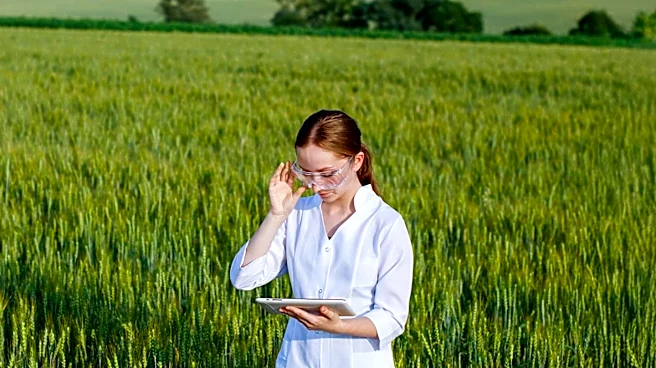
Thelma Madzima, an MSU 1855 professor of Plant Biology, is leading research to engineer crops that can withstand drought, heat, and extreme weather conditions. Her work focuses on epigenetics, the process by which cells can switch genes on or off without
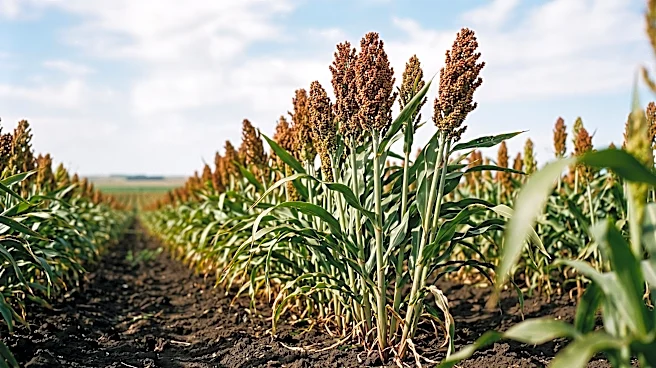
altering the underlying DNA sequence. Madzima's team studies how plants adapt to stressors like drought and heat by changing gene expression, allowing them to survive and produce seeds. They examine resilient plants like sorghum and maize, which has a unique genome with transposable elements that create mutants, providing a rich source for studying gene pathways related to stress resistance. The research involves growing plants in controlled growth chambers, greenhouses, and field settings to observe their responses to various environmental conditions.
Why It's Important?
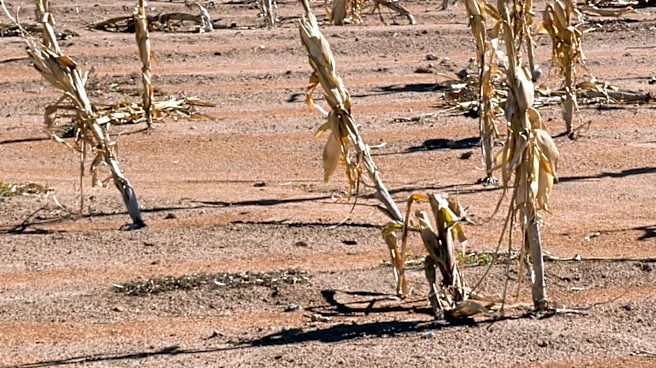
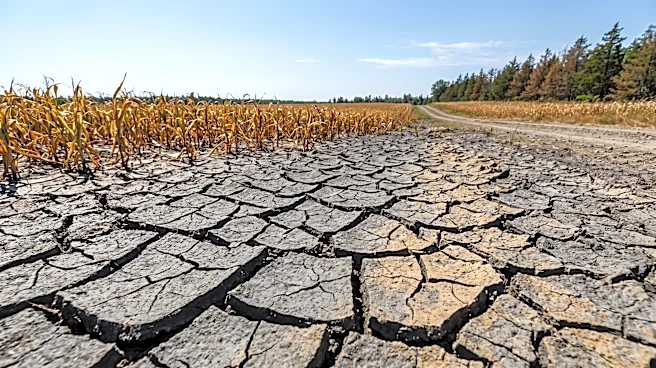
This research is critically important for global food security, particularly in the face of intensifying climate change. Droughts, once occurring about once a decade, are now happening every few years, severely impacting staple crops like maize. Madzima's work aims to develop crops that can maintain productivity even under harsh conditions, which could prevent food shortages and stabilize agricultural economies worldwide. For the U.S., where agriculture is a major industry, developing drought-resistant crops can protect farmers from devastating losses and ensure a stable food supply. By understanding the molecular mechanisms of plant resilience, scientists can accelerate crop breeding programs, saving time and resources compared to traditional cross-pollination methods. This proactive approach is essential for building a resilient food system capable of adapting to future climate challenges.
What's Next?
Madzima's team is racing against time to prepare for a future where current extreme weather becomes the norm. Their ongoing research involves identifying specific gene pathways and hormones responsible for stress resistance in plants. The goal is to apply this knowledge to engineer more resilient varieties of staple crops. This will involve continued experimentation in diverse environments, from controlled lab settings to real-world fields, to understand how genetic modifications translate into practical resilience. The long-term vision is to move this research beyond the lab and into the hands of farmers globally, ensuring that communities, especially those in vulnerable regions, have access to essential food sources despite climatic adversities. The focus remains on developing crops that can survive and thrive in the climate of tomorrow.
Beyond the Headlines
The work of Thelma Madzima and her team delves into the profound implications of climate change on fundamental biological processes and human survival. Beyond the scientific breakthroughs, this research touches upon cultural and societal dimensions, as the availability of staple foods is deeply intertwined with cultural identity and well-being. The concept of epigenetics in plants offers a fascinating parallel to how organisms adapt to their environment, suggesting a dynamic interplay between genes and external stressors. This research also highlights the ethical responsibility of the scientific community to address global challenges like food insecurity, particularly for vulnerable populations. It underscores a shift towards proactive, adaptive strategies in agriculture, moving beyond simply reacting to environmental crises to actively engineering resilience into our food systems.