




What's Happening?
The Pentagon has commenced a comprehensive review of the U.S. military's force posture in Europe, as announced by Under Secretary of Defense for Policy Elbridge Colby. This review, which was initially unveiled during a NATO defense ministerial meeting,
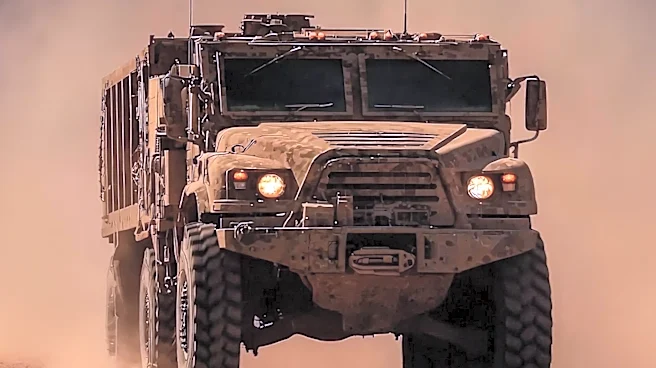
aims to assess the current deployment and basing of U.S. troops across Europe. The review is part of a broader strategy to encourage European allies to take on more responsibility for NATO's conventional defense. The process is expected to take up to six months and will involve consultations with U.S. European Command, Congress, and European allies. The review seeks to align U.S. military presence with the 2025 National Security Strategy and the 2026 National Defense Strategy.
Why It's Important?
This review is significant as it reflects a shift in U.S. defense policy, emphasizing the need for European allies to assume greater responsibility for their own defense. The outcome of the review could lead to changes in troop deployments and basing, impacting the strategic balance in Europe. By potentially reducing U.S. military presence, the review could prompt European nations to increase their defense spending and capabilities. This shift aligns with broader U.S. strategic goals of reallocating military resources to address emerging threats in other regions, such as the Indo-Pacific. The review underscores the importance of a sustainable and equitable NATO alliance.
What's Next?
As the review progresses, the Pentagon will develop a range of options to ensure that U.S. force posture in Europe is strategically sound and sustainable. This will involve close collaboration with NATO's Supreme Allied Commander Europe and extensive consultations with European allies. The review's findings could lead to adjustments in troop levels, basing arrangements, and military infrastructure in Europe. The outcome will likely influence future U.S. defense policy and NATO's strategic direction. European allies may need to prepare for increased defense responsibilities and potential changes in their military cooperation with the U.S.