






What's Happening?
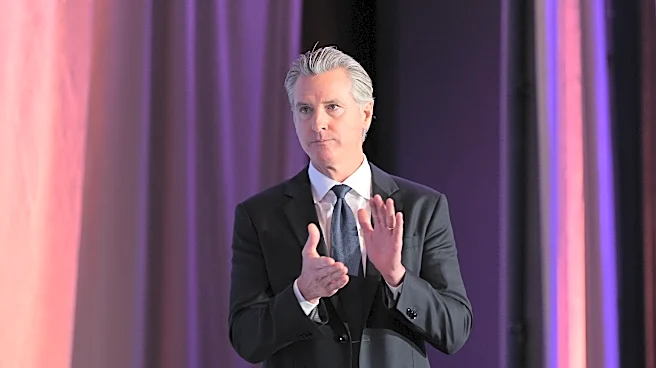
Governor Gavin Newsom announced that California will increase its statewide minimum wage to $17.40 per hour starting January 1, 2027. This adjustment is part of an automatic annual increase designed to keep pace with inflation. Since Governor Newsom took
office, the minimum wage has risen from $12 to the upcoming $17.40. This move is part of a broader strategy to make living in California more affordable and to support the state's economic growth. California continues to lead the nation in various economic sectors, including new business formation, venture capital attraction, and technological innovation.
Why It's Important?
Raising the minimum wage is a critical step in addressing the cost of living challenges faced by many Californians. As the state with one of the highest living costs in the U.S., increasing the minimum wage aims to provide workers with a more livable income. This policy is expected to benefit millions of workers, particularly in low-wage sectors, and stimulate economic activity by increasing consumer spending. However, it may also pose challenges for small businesses that need to adjust to higher labor costs. The decision reflects California's commitment to economic equity and its role as a leader in progressive labor policies.
What's Next?
As the new minimum wage takes effect, businesses will need to adjust their payrolls and budgets to accommodate the increase. The state government will likely monitor the economic impact of this change, particularly on small businesses and employment rates. Discussions around further wage increases and their implications for the economy may continue, especially as inflation and cost of living remain pressing issues. Additionally, other states may look to California's example when considering their own minimum wage policies.