




What's Happening?
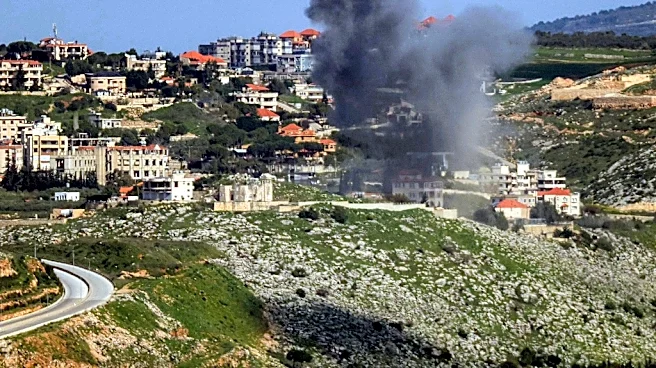
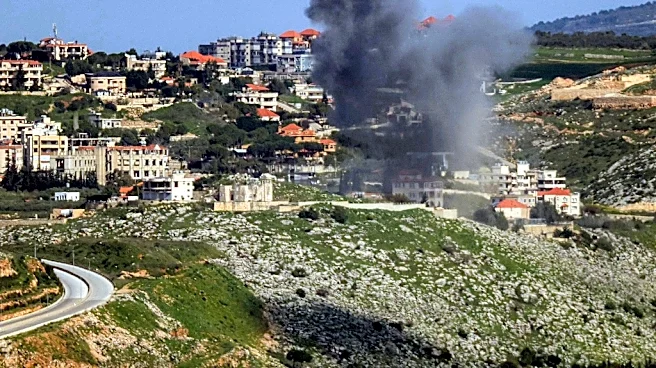
President Trump has indicated that military action against Iran could be imminent, overshadowing ongoing discussions for a ceasefire. The potential escalation comes as the U.S. seeks to ensure freedom of navigation through the Strait of Hormuz, a critical
passage for global oil shipments. Despite talks reportedly going well, Iran has rejected a ceasefire proposal, demanding a permanent end to the conflict and the lifting of sanctions. This development has led to volatility in the markets, with U.S. crude oil prices rising above $112 per barrel and stocks experiencing fluctuations. The geopolitical tension is affecting investor sentiment, as traders remain focused on the situation in Iran and its implications for global energy flows.
Why It's Important?
The situation in Iran is crucial for global energy markets and economic stability. The Strait of Hormuz is a vital chokepoint for oil transportation, and any disruption could lead to significant increases in oil prices, impacting industries and consumers worldwide. The potential for military action by the U.S. adds to the uncertainty, which could further destabilize the region and affect international relations. For the U.S. economy, the conflict poses risks to energy supply chains and could influence inflation rates, as seen in recent economic data showing mixed signals. Investors are closely monitoring these developments, as prolonged geopolitical tensions could have long-term effects on market confidence and economic growth.
What's Next?
The next steps depend heavily on the outcome of ongoing negotiations and President Trump's decisions regarding military action. If Iran continues to reject ceasefire terms, the U.S. may proceed with its threats, potentially leading to further escalation. Market participants will be watching for any signs of resolution or further conflict, which could influence oil prices and stock market movements. Additionally, upcoming inflation readings and economic data will be critical for assessing the broader impact on the U.S. economy. Policymakers and investors are likely to remain cautious, adopting a 'wait and see' approach as the situation unfolds.
Beyond the Headlines
The conflict in Iran highlights broader geopolitical risks that can affect global economic stability. The U.S.'s approach to the situation may set precedents for future international conflicts, influencing diplomatic strategies and military policies. The rejection of ceasefire terms by Iran underscores the complexities of negotiating peace in regions with longstanding tensions. Furthermore, the situation raises ethical questions about the use of military force and its consequences for civilian populations. As the world watches, the unfolding events could lead to shifts in international alliances and impact global trade dynamics.