




What's Happening?
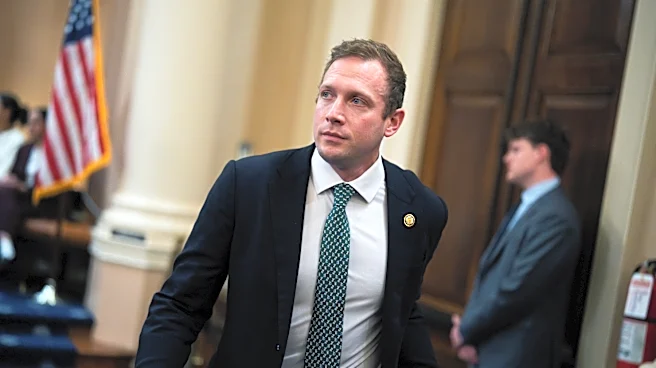
In a recent debate, progressive activist Oren Cass was criticized by Grover Norquist, President of Americans for Tax Reform, for his lack of awareness regarding Republican-led state tax cuts. Cass advocated for various federal tax increases but was unable
to cite any GOP-run state that had implemented such policies. Norquist highlighted the trend of Republican states moving towards flat and zero income taxes, contrasting with Cass's proposals. Since 2020, numerous Republican-led states have reduced income taxes, with some aiming to eliminate them entirely, reflecting a broader GOP strategy to lower tax burdens.
Why It's Important?
This debate underscores the ideological divide between progressive and conservative economic policies, particularly regarding taxation. The Republican focus on reducing taxes is part of a broader strategy to stimulate economic growth and attract businesses and residents to low-tax states. This approach contrasts sharply with progressive calls for increased taxes to fund social programs. The discussion highlights the ongoing national debate over the best path to economic prosperity and the role of government in managing fiscal policy. The outcomes of these debates could significantly impact state economies and influence national policy directions.
What's Next?
As Republican-led states continue to implement tax cuts, the debate over the effectiveness of such policies is likely to intensify. Proponents argue that lower taxes will lead to economic growth and increased competitiveness, while critics warn of potential revenue shortfalls and underfunded public services. The political landscape may shift as states observe the long-term effects of these tax policies, potentially influencing future elections and legislative priorities. The debate between Cass and Norquist may also prompt further discussions on the national stage about the balance between taxation and economic growth.