









What's Happening?
SPF awareness campaigns are increasingly focusing on the critical importance of proper sunscreen application and reapplication to effectively prevent skin cancer and sunburn. Despite varying SPF levels, all sunscreens degrade over time due to UV exposure,
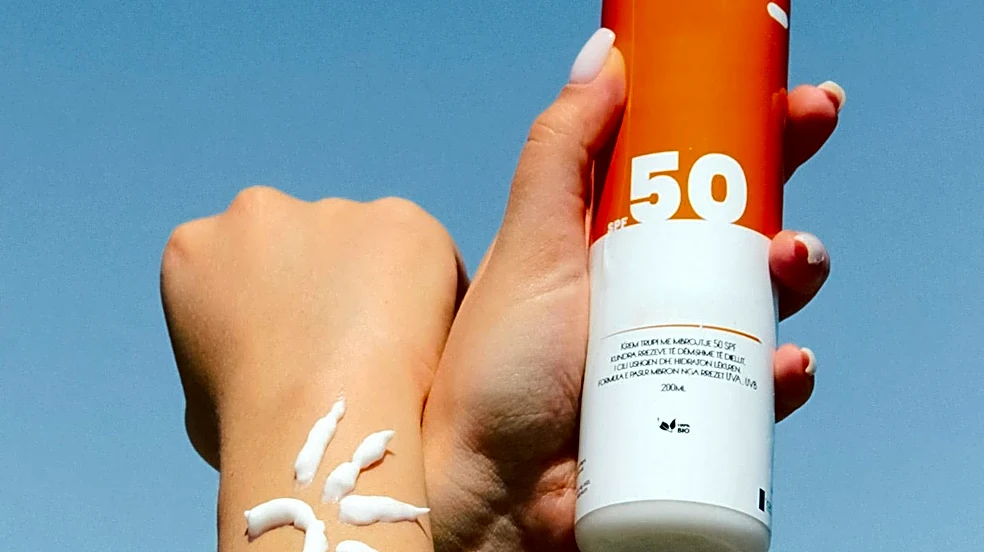
sweating, and physical activity, necessitating reapplication every two hours when outdoors. The SPF number primarily indicates the level of UVB protection, not the duration of effectiveness; for instance, SPF 50 blocks 98% of UVB rays compared to SPF 30's 97%, but both require the same reapplication schedule. A significant challenge highlighted is that most individuals apply far less sunscreen than recommended. The SPF rating on product labels is based on an application of 2mg per square centimeter of skin, which translates to approximately one teaspoon for the face and neck, and a full shot glass (35ml) for the body. In practice, people typically apply only 25-50% of this amount, drastically reducing the actual effective SPF they receive. Generous initial application combined with timely reapplication is crucial to achieve the protection promised on the label. These awareness efforts are particularly growing in regions like Latin America and South Africa, where skin cancer awareness is on the rise.
Why It's Important?
The emphasis on proper SPF awareness is vital for public health in the U.S., directly impacting skin cancer prevention and overall skin health. Skin cancer remains one of the most common cancers, and inadequate sun protection is a primary risk factor. By educating the public on the necessity of frequent reapplication and sufficient quantity, these campaigns can significantly reduce the incidence of sunburns and long-term sun damage, which contribute to premature skin aging and increased cancer risk. For consumers, understanding that a higher SPF does not equate to longer protection can prevent a false sense of security, encouraging better sun-safe behaviors. The beauty and skincare industries are also affected, as increased awareness drives demand for user-friendly reapplication formats like sticks and powder SPFs, and for products that integrate skincare benefits. Dermatologists and healthcare providers play a crucial role in disseminating this information, reinforcing the message that consistent and correct sunscreen use is a year-round habit, not just a seasonal one. This shift in understanding can lead to healthier skin outcomes for millions of Americans and potentially reduce healthcare burdens associated with treating sun-related skin conditions.
What's Next?
Moving forward, public health initiatives and dermatological associations are likely to intensify their educational campaigns, utilizing various platforms to reach a broader audience. Expect to see more targeted messaging on the correct amount of sunscreen to apply and the importance of reapplication, potentially through digital tools like reapply timers or public service announcements. The skincare industry will likely continue to innovate, developing more convenient and cosmetically elegant sunscreen formats, such as spray sunscreens, sticks, and powder SPFs, to facilitate easier reapplication over makeup or during outdoor activities. There may also be a greater focus on integrating SPF education into broader skin health discussions, including those related to hormonal changes like menopause, where consistent sun protection is highlighted as a non-negotiable step. Furthermore, as awareness of mineral-based sunscreens grows, driven by concerns over reef safety and skin sensitivity, manufacturers will continue to refine formulations to address issues like white cast and improve wearability, ensuring that effective sun protection is accessible and appealing to all consumers.
Beyond the Headlines
The deeper implications of enhanced SPF awareness extend beyond immediate sun protection, touching upon long-term behavioral changes and societal perceptions of beauty and health. Historically, tanning was often associated with health and attractiveness, but growing awareness of sun damage is gradually shifting this cultural narrative towards valuing protected, healthy skin. This change can influence fashion trends, promoting sun-protective clothing and accessories. Ethically, there's a responsibility for manufacturers to clearly communicate application instructions and reapplication needs, ensuring consumers can achieve the advertised SPF benefits. Legally, this could lead to stricter regulations on sunscreen labeling and marketing claims to prevent misleading consumers about protection duration. On a broader societal level, consistent sun protection can contribute to a healthier aging population, reducing the burden of skin cancer treatments and improving quality of life. The integration of SPF into daily skincare routines, regardless of age or skin condition, signifies a fundamental shift towards proactive health management, recognizing sun protection as a foundational element of overall well-being rather than just a cosmetic concern.