



What's Happening?
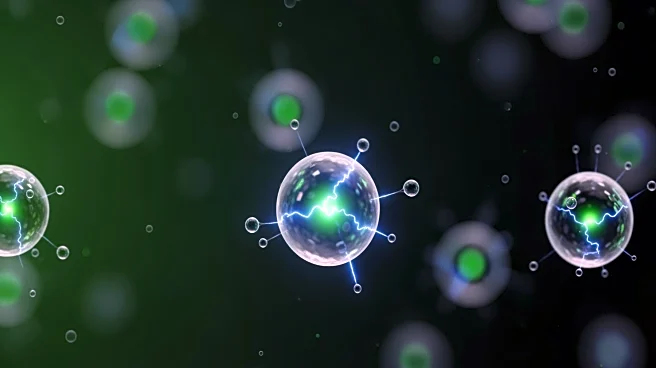
Scientists at Scripps Research have discovered that droplet-like structures known as condensates can act as 'tiny biological batteries' within cells, altering the electrical properties of cell membranes. This finding reveals a new potential regulator
of bioelectricity, which is crucial for many biological processes such as nerve impulses and heartbeats. The study demonstrated that when electrically charged condensates collide with cell membranes, they change the membrane's voltage, influencing the flow of electrical charge. This discovery could have significant implications for understanding cellular functions and developing treatments for diseases.
Why It's Important?
The discovery of condensates as regulators of bioelectricity opens new avenues for research in cellular biology and medicine. Understanding how these structures influence cell membrane voltage could lead to breakthroughs in treating diseases that involve electrical activity, such as neurological disorders and cardiac conditions. This research highlights the complexity of cellular processes and the potential for innovative therapeutic strategies that target bioelectricity. The findings may also inspire further studies into the role of condensates in other biological functions and their impact on health.
What's Next?
Further research is needed to explore the precise mechanisms by which condensates alter electrical properties and their functional importance in cells and organisms. Scientists aim to investigate the potential therapeutic applications of this discovery, which could lead to new treatments for diseases involving electrical dysregulation. The study's findings may also prompt additional research into the role of condensates in other cellular processes, potentially leading to a deeper understanding of cell biology and the development of novel medical interventions.