








What's Happening?
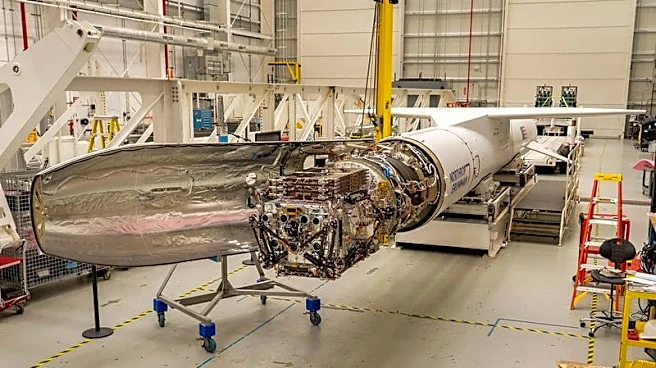
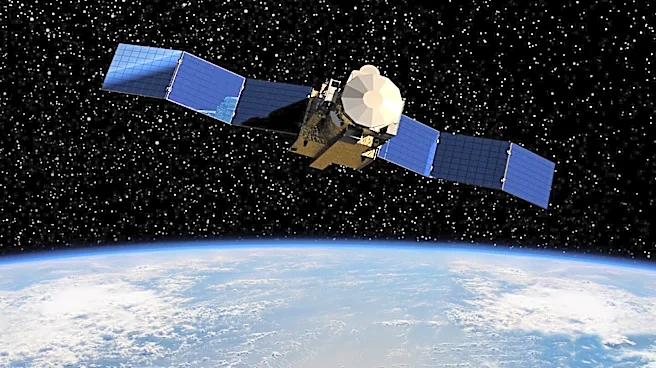
NASA has initiated a mission to rescue the Neil Gehrels Swift Observatory, which is at risk of falling back to Earth due to orbital decay. The mission involves a satellite called LINK, launched on July 3, designed to boost Swift's orbit using robotic
arms. The Swift Observatory, launched in 2004, has been descending due to atmospheric drag exacerbated by solar flares. The rescue mission aims to extend Swift's operational life by restoring it to its original orbit, allowing it to continue its observations of gamma-ray bursts and other cosmic phenomena.
Why It's Important?
The success of this mission could set a precedent for extending the lifespans of other satellites, including the Hubble Space Telescope, which faces similar challenges. By demonstrating the feasibility of servicing satellites not designed for on-orbit maintenance, NASA and its partners could significantly reduce costs and extend the operational life of valuable space assets. This approach could revolutionize satellite maintenance and sustainability, ensuring continued scientific discoveries and technological advancements.
What's Next?
If successful, the mission will keep Swift operational for up to a decade longer, allowing it to continue its critical observations. The demonstration of this technology could lead to similar missions for other aging satellites, potentially including Hubble. The space industry may see increased interest in developing technologies for satellite servicing and maintenance, paving the way for more sustainable space operations.