
What's Happening?
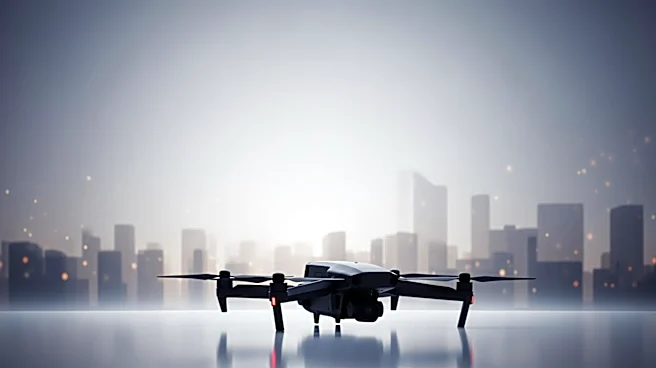
Beijing has enacted a comprehensive ban on the sale, rental, and operation of consumer drones within its jurisdiction, effective May 1, 2026. This move marks a significant shift for China, which has been
a leader in the consumer drone industry. The new regulations require individuals to register with local police and pass an exam to operate drones, reflecting heightened security concerns in the capital. The ban has led to a rush among enthusiasts to purchase remaining stock before it was removed from shelves. The restrictions are part of broader efforts to manage unmanned aerial vehicles and safeguard sensitive areas in Beijing, which hosts numerous military and political sites.
Why It's Important?
The ban on drones in Beijing underscores China's tightening control over its low-altitude economy, a sector that includes drones and flying cars. This decision could have significant implications for the global drone market, as China, particularly DJI, dominates the industry. The restrictions may affect international travelers and existing drone users in Beijing, complicating operations and maintenance. The move also highlights security concerns associated with drones, which have been used in military conflicts, such as the Russia-Ukraine war. The ban could influence other regions in China, potentially leading to similar restrictions elsewhere.
What's Next?
The new regulations may prompt further scrutiny and adjustments in China's drone policies, especially as the country aims to balance security with economic growth in the low-altitude sector. The impact on DJI, already facing challenges from U.S. import bans, could be substantial, affecting its market share and financial outlook. As the industry adapts to these changes, stakeholders may seek clarity on the rules and explore alternative markets or technologies. The situation may also lead to increased dialogue between drone manufacturers and regulatory bodies to address security concerns while fostering innovation.
Beyond the Headlines
The ban in Beijing raises questions about the future of drone technology in urban environments, particularly in cities with sensitive sites. It may drive innovation in drone security features and operational protocols to meet regulatory demands. Additionally, the restrictions could influence public perception of drones, shifting focus from recreational use to security and surveillance applications. The evolving landscape may also spur discussions on ethical considerations in drone usage, balancing privacy with technological advancement.