






What's Happening?
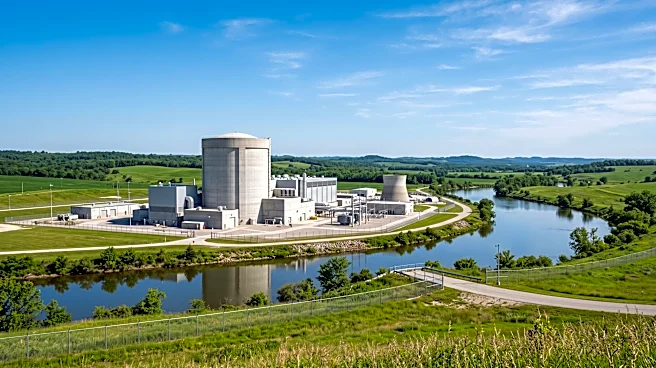
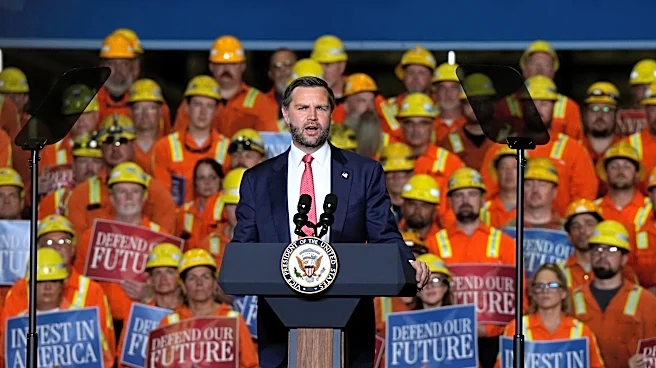
Business leaders convened in Columbus, Ohio, for the Ohio Energy Affordability Summit, urging Congress to accelerate federal review processes for new energy projects. They contend that current delays, which can span years, are hindering the expansion
of the nation's power supply and consequently driving up electricity costs for consumers. The central message of the summit was a direct call for 'America needs energy permitting reform now.' Supporters believe that streamlining these decisions would facilitate the timely activation of new power infrastructure, enhance the efficiency of the electric grid, and ultimately lead to reduced energy prices. However, critics, such as state Sen. Kent Smith, D-Euclid, express skepticism about how quickly these reforms would translate into tangible savings for Ohio families, suggesting that immediate bill reductions are unlikely. The summit highlighted the increasing electricity demand, partly due to the proliferation of data centers in Ohio, with over 200 facilities now operating in the state, some consuming as much power as 100,000 homes.
Why It's Important?
The push for federal energy permitting reform in Ohio carries significant implications for both the state's economy and its residents. If successful, faster permitting could unlock substantial investment in new energy projects, fostering job creation and economic growth within the energy sector. Lower energy prices, as projected by proponents like David McIntosh, president of the Club for Growth, who anticipates up to a 20% reduction, would directly benefit Ohio households and businesses by decreasing operational costs and increasing disposable income. This could make Ohio more competitive for energy-intensive industries. Conversely, without reform, the rising demand for electricity, exacerbated by the growth of data centers, could continue to strain the existing grid and lead to further price hikes, disproportionately affecting lower-income families. The debate also underscores a broader national challenge of balancing energy development with regulatory processes, impacting the reliability and affordability of power across the U.S. The outcome of this advocacy could set a precedent for how other states address similar energy infrastructure and cost concerns.
What's Next?
Summit organizers are pressing Congress to act on energy permitting reform before the end of the year, indicating that discussions on this issue are expected to continue throughout the fall. The ongoing debate will likely involve various stakeholders, including energy companies, environmental groups, consumer advocates, and policymakers at both state and federal levels. Congress will need to consider legislative proposals that aim to streamline the permitting process while addressing potential environmental and community impacts. The effectiveness of any reforms will be closely watched, particularly regarding their impact on electricity prices and the pace of new energy project development. Ohio families will be keenly observing whether these efforts translate into lower power bills, as promised by proponents. The question of who will ultimately bear the cost of meeting Ohio's escalating energy demand remains central to the discussions, suggesting that the path forward will involve complex negotiations and potential compromises among differing interests.
Beyond the Headlines
The debate over energy permitting reform in Ohio touches upon deeper issues concerning the balance between economic development, environmental protection, and consumer welfare. The rapid expansion of data centers, while bringing technological advancement and jobs, highlights the increasing energy footprint of the digital economy and its strain on traditional infrastructure. This situation raises ethical questions about equitable energy access and affordability, especially for vulnerable populations who may struggle with rising utility costs. The call for reform also reflects a broader national tension between the desire for rapid infrastructure development to meet growing demands and the need for thorough regulatory oversight to prevent adverse environmental and social consequences. The outcome in Ohio could influence national energy policy, potentially shaping how the U.S. approaches energy independence, climate goals, and economic competitiveness in an increasingly digitized world. It also underscores the challenge of communicating complex energy economics to the public, as evidenced by the skepticism regarding immediate consumer savings.