




What's Happening?
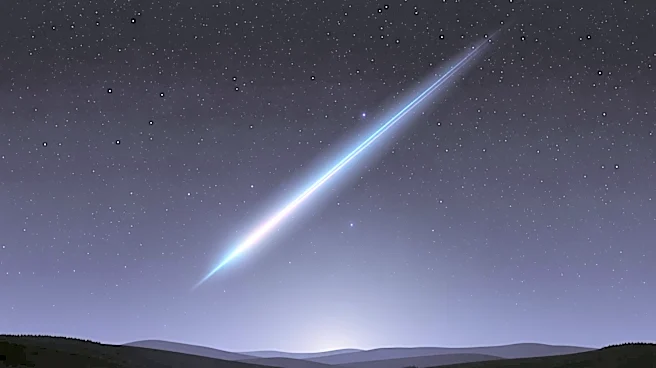
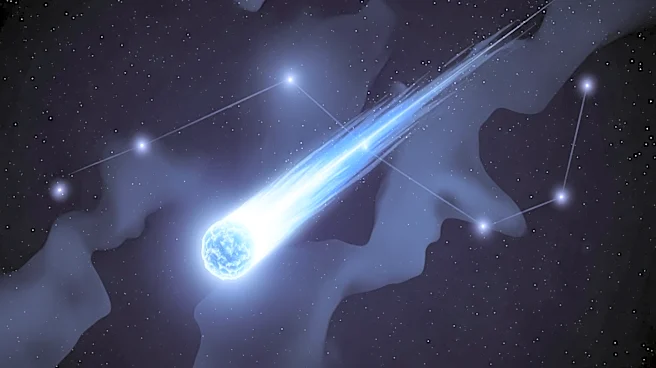
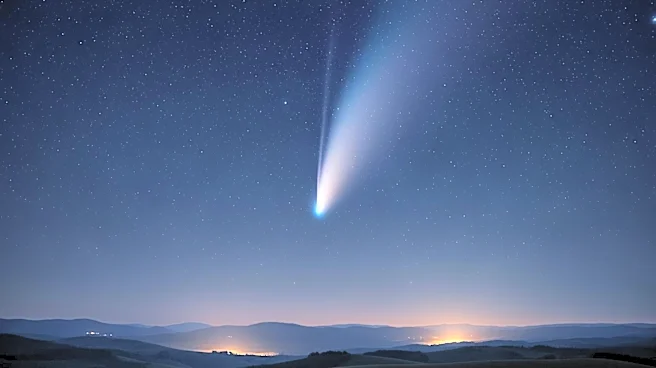
Comet C/2025 R3, discovered by the Pan-STARRS 1 telescope in Hawaii, is making its first appearance in 170,000 years. The comet is expected to brighten significantly in mid-April, potentially reaching naked-eye visibility under dark skies. Observers in the Northern
Hemisphere will have the best chance to see it from April 10 to April 20, as it approaches its closest point to the Sun. The comet's brightness is predicted to reach a magnitude of +2 to +3, making it visible to the naked eye under ideal conditions. Binoculars are recommended for better viewing.
Why It's Important?
The appearance of Comet C/2025 R3 presents a unique opportunity for astronomers and stargazers to observe a celestial event that won't occur again for another 170,000 years. This rare event highlights the importance of astronomical research and the role of observatories like Pan-STARRS in tracking and studying celestial bodies. The comet's visibility offers educational opportunities for the public and can inspire interest in astronomy and science. It also underscores the significance of monitoring near-Earth objects for scientific and safety purposes.
What's Next?
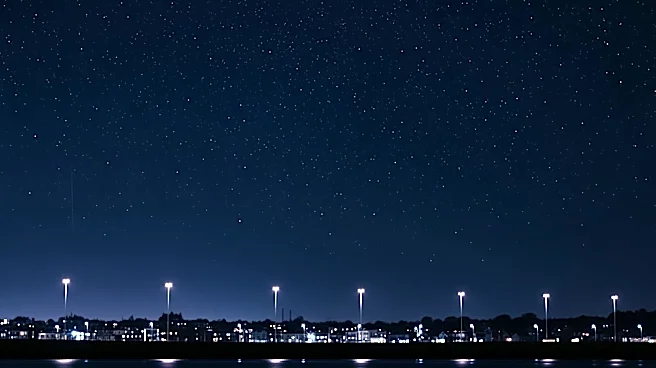
As Comet C/2025 R3 continues its journey, astronomers will monitor its trajectory and brightness to provide updates and viewing tips. Observers are encouraged to find locations with minimal light pollution and check weather conditions for clear skies. The comet will be visible in the Southern Hemisphere later in the month, offering additional viewing opportunities. This event may lead to increased public interest in astronomy and potential advancements in comet research.