



What's Happening?
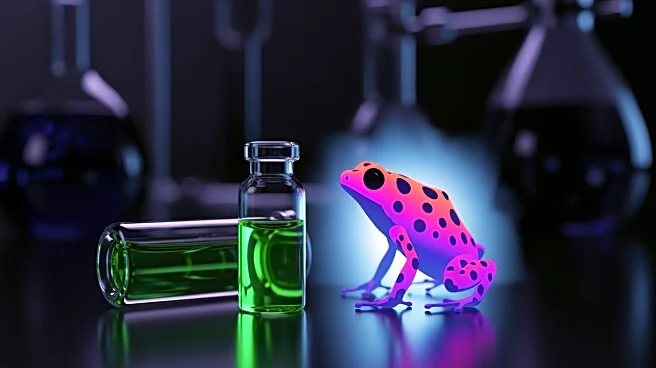
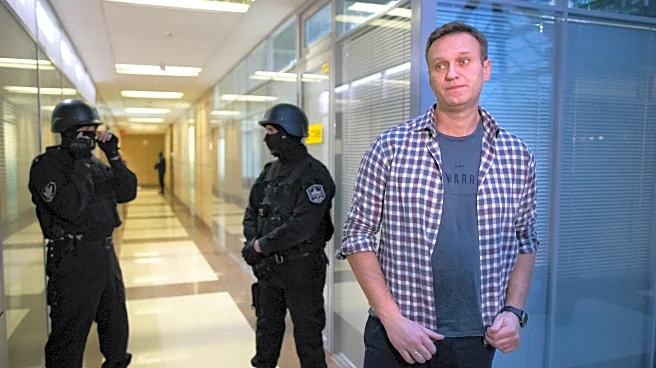
A multi-intelligence agency inquiry has concluded that Russian opposition leader Alexei Navalny was killed by a poison derived from the skin of Ecuador dart frogs. The UK, along with France, Germany, Sweden, and the Netherlands, released a statement accusing
the Russian state of administering the toxin, known as epibatidine, which was found in Navalny's body. Navalny died in a remote Arctic penal colony while serving a 19-year sentence. The UK has described the poisoning as a violation of the Chemical Weapons Convention and plans to report Russia to the Organisation for the Prohibition of Chemical Weapons.
Why It's Important?
The accusation against Russia highlights ongoing concerns about the use of chemical weapons and the suppression of political opposition. The use of a rare toxin underscores the lengths to which the Russian state is allegedly willing to go to silence dissent. This development could further strain Russia's relations with Western countries and lead to increased diplomatic and economic pressure. The case also raises questions about the safety of political dissidents in Russia and the international community's ability to hold the Kremlin accountable for its actions.
What's Next?
The UK and its allies are expected to pursue further diplomatic actions against Russia, potentially leading to new sanctions or international investigations. The Organisation for the Prohibition of Chemical Weapons may conduct its own inquiry into the use of epibatidine. Additionally, the revelation could prompt other countries to reassess their diplomatic and economic ties with Russia. The international community will likely continue to monitor the situation closely, with potential implications for global security and human rights advocacy.
Beyond the Headlines
The use of a toxin not naturally found in Russia raises questions about the country's access to and development of chemical weapons. This incident may prompt a reevaluation of global chemical weapons treaties and the mechanisms in place to enforce them. The case also highlights the broader issue of state-sponsored assassinations and the challenges in preventing such acts. The international response to Navalny's death could set a precedent for how similar cases are handled in the future, influencing global norms and policies on political dissent and human rights.