
What's Happening?
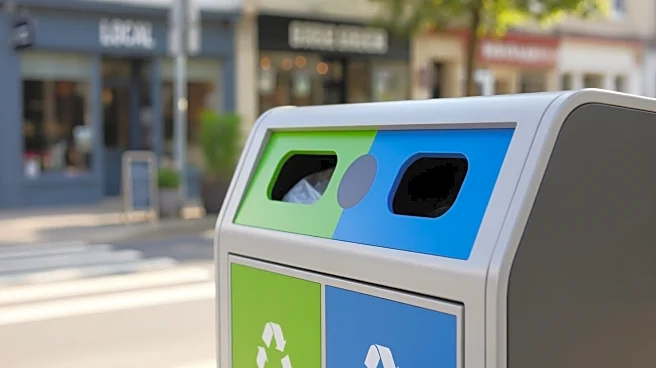
A quiet revolution in waste management is reshaping local economies as municipalities and businesses adopt smarter recycling practices. By treating waste as a managed resource rather than a nuisance, cities
and companies are finding new ways to extract value from discarded materials. This shift involves using advanced technology, such as sensors and connected compactors, to optimize waste handling and reduce environmental impact. The approach not only improves efficiency but also supports economic resilience by securing better contracts for clean, well-sorted waste streams.
Why It's Important?
The transformation of waste management practices has significant implications for local economies and environmental sustainability. By optimizing waste handling, cities can reduce landfill pressure, lower emissions, and create more stable local jobs. The economic benefits extend to businesses that can secure better market prices for recyclables and reduce operational costs. This shift also aligns with broader climate goals, as it promotes responsible resource management and reduces the environmental footprint of waste disposal.
Beyond the Headlines
The adoption of smarter recycling practices reflects a cultural shift towards viewing waste as an opportunity rather than a burden. This change requires collaboration between municipalities, businesses, and technology providers to develop tailored solutions that maximize resource recovery. As more communities embrace this approach, the cumulative benefits could lead to significant advancements in sustainability and economic stability. The focus on transparency and data-driven decision-making also highlights the potential for innovation in waste management.