






What's Happening?
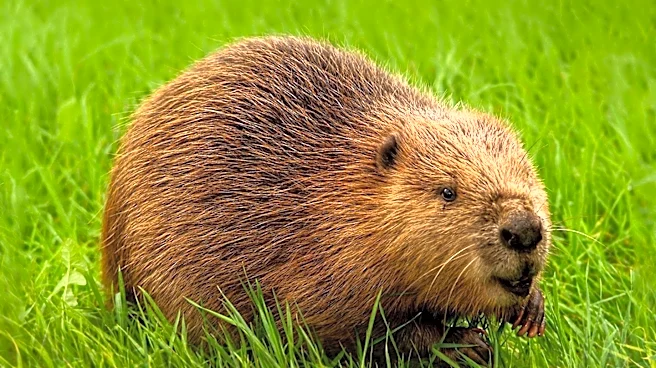
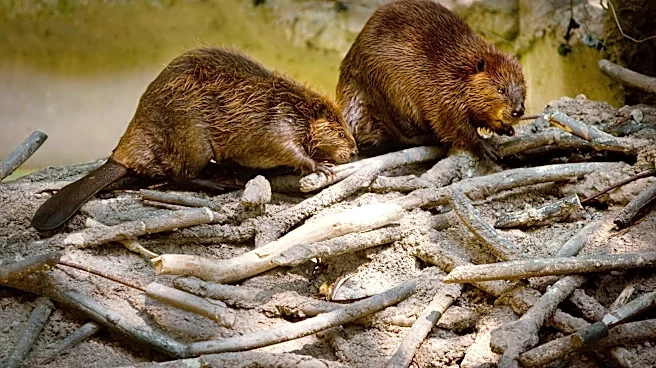
A dead beaver discovered at Seneca Creek State Park in Montgomery County has tested positive for rabies, marking the third rabid beaver found in a Maryland state park in recent weeks. State Department of Natural Resources (DNR) officials located the beaver carcass
on Monday in the Berryville area of the park, downstream from where a 10-year-old was bitten by a beaver last week. While officials are unsure if this specific beaver was involved in the biting incident, efforts to locate and test additional animals are ongoing. The park has implemented significant closures, prohibiting all water access, including swimming, fishing, and boating, until the area is deemed safe for visitors. This incident follows similar occurrences in Frederick County, where parts of Cunningham Falls State Park have been closed since July 26 after beavers bit a 13-year-old and a 19-year-old in separate incidents; both beavers were captured, euthanized, and tested positive for rabies. Despite these cases, data does not indicate a widespread rabies outbreak in either Frederick or Montgomery counties, and rabies in rodents like beavers is considered rare, with the last documented rabid beaver attack in Maryland prior to this summer occurring in 2021.
Why It's Important?
The presence of rabid beavers in Maryland state parks poses a direct public health risk, particularly to park visitors who may encounter wildlife. Rabies is a serious viral disease that is almost always fatal once symptoms appear, making prompt medical attention crucial after potential exposure. The closure of significant portions of Seneca Creek State Park and Cunningham Falls State Park impacts recreational activities, local tourism, and the public's access to natural spaces. For wildlife management, these incidents highlight the challenges of monitoring and responding to zoonotic diseases in wild animal populations. While rabies in rodents is rare, these cases underscore the importance of public awareness regarding wildlife interactions and the need for caution when in natural environments. The DNR's ongoing efforts to locate and test more animals are vital for assessing the extent of the risk and ensuring public safety.
What's Next?
The State Department of Natural Resources will continue its efforts to locate and test additional beavers in Seneca Creek State Park to determine if more animals are infected with rabies. The park's water access will remain prohibited until officials are confident that the area is safe for visitors. Public health officials will likely reinforce warnings about avoiding contact with wildlife and reporting any unusual animal behavior. Depending on the findings of further testing, the DNR may implement additional measures, such as increased surveillance or targeted animal management strategies, though the rarity of rabies in beavers suggests a localized rather than widespread issue. The individuals bitten by beavers in both parks will continue to receive post-exposure prophylaxis to prevent the development of rabies.
Beyond the Headlines
These incidents raise broader questions about human-wildlife coexistence, especially as urban and suburban areas expand into natural habitats. The increased frequency of human-wildlife encounters can lead to a higher risk of disease transmission. While rabies in beavers is uncommon, these cases serve as a reminder of the constant threat of zoonotic diseases and the need for robust public health surveillance and response systems. The closures of state parks, even temporary ones, can also spark discussions about the balance between conservation efforts, public access to nature, and ensuring visitor safety. This situation may prompt a review of park management policies regarding wildlife interactions and public education campaigns to minimize risks associated with encountering wild animals in recreational areas.