




What's Happening?
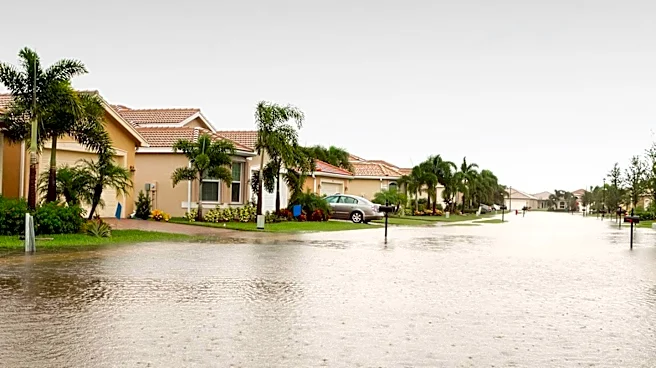
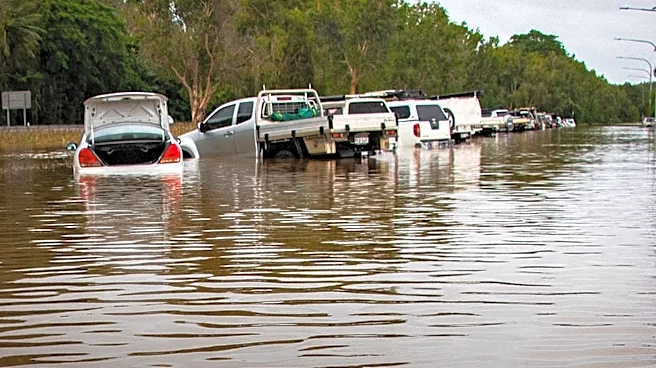
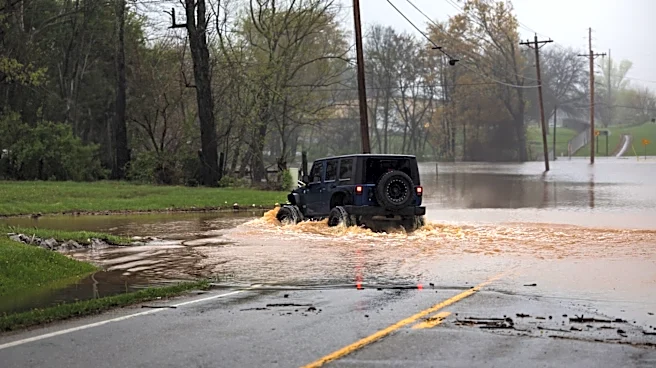
Heavy rainfall in New Jersey has led to significant flooding, causing widespread disruptions across the region. The intense storms resulted in the inundation of roads, making them impassable and trapping several individuals in their vehicles. Additionally,
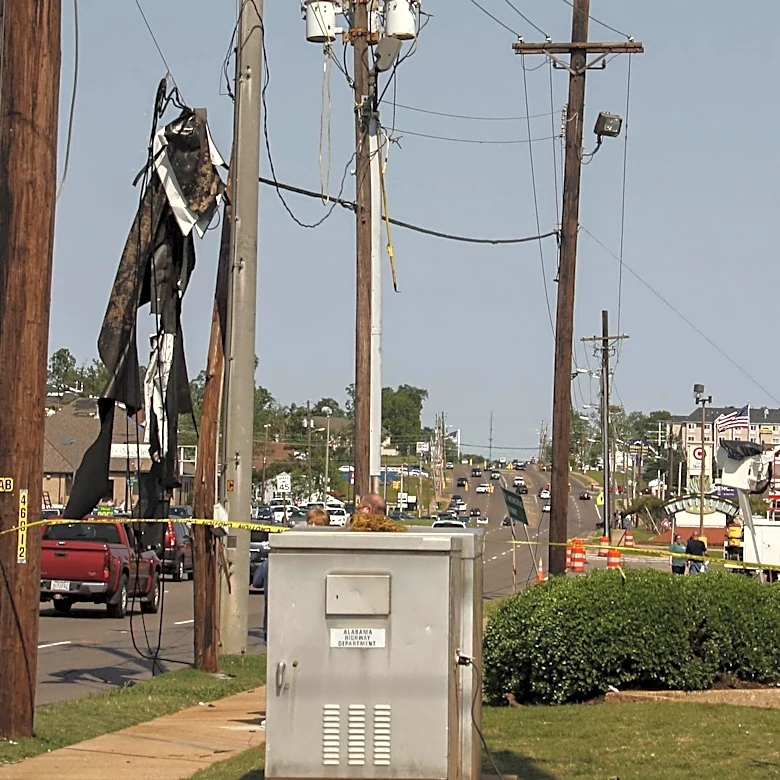
the severe weather conditions brought down power lines, further complicating the situation. Emergency services have been actively working to rescue those affected and restore normalcy. The flooding has raised concerns about infrastructure resilience and emergency preparedness in the face of increasingly frequent severe weather events.
Why It's Important?
The flooding in New Jersey highlights the growing challenges posed by extreme weather events, which are becoming more frequent and severe due to climate change. This incident underscores the need for improved infrastructure and emergency response systems to better handle such situations. The economic impact is also significant, as businesses and daily activities are disrupted, leading to potential financial losses. Moreover, the event serves as a reminder of the importance of climate adaptation strategies to mitigate the effects of such natural disasters on communities and the economy.
What's Next?
In the aftermath of the flooding, local authorities are likely to assess the damage and implement measures to prevent similar occurrences in the future. This may include infrastructure upgrades, improved drainage systems, and enhanced emergency response protocols. Additionally, there may be increased advocacy for climate change mitigation efforts at both the state and national levels. Residents and businesses will need to remain vigilant and prepared for potential future weather-related disruptions.