


What's Happening?
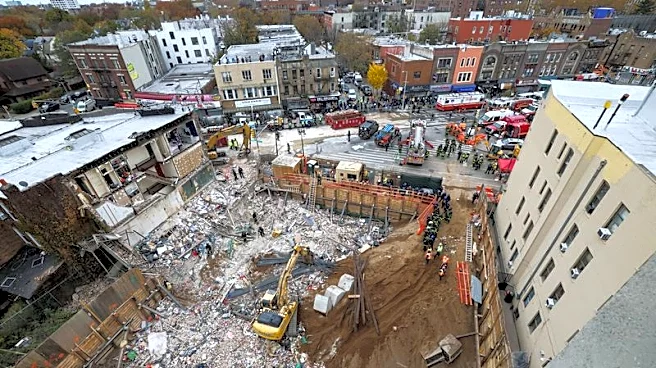
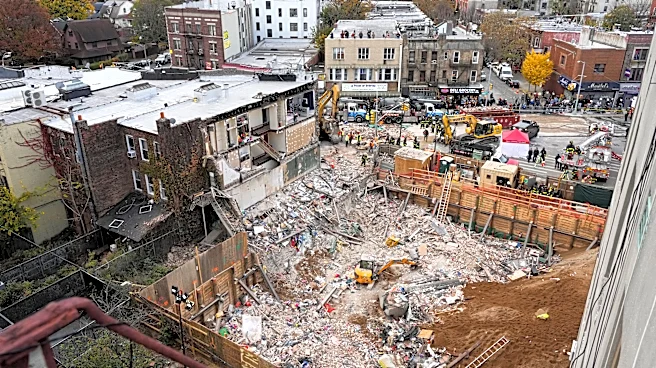
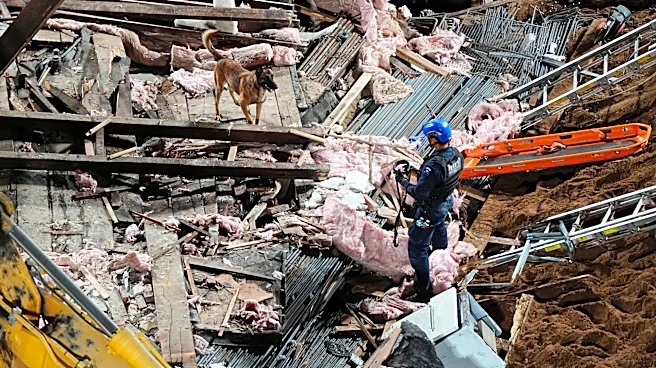
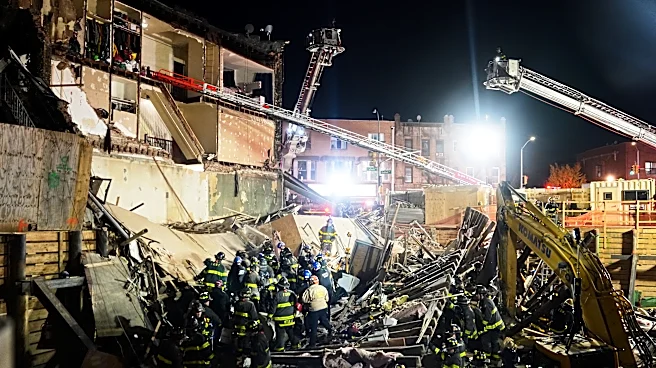
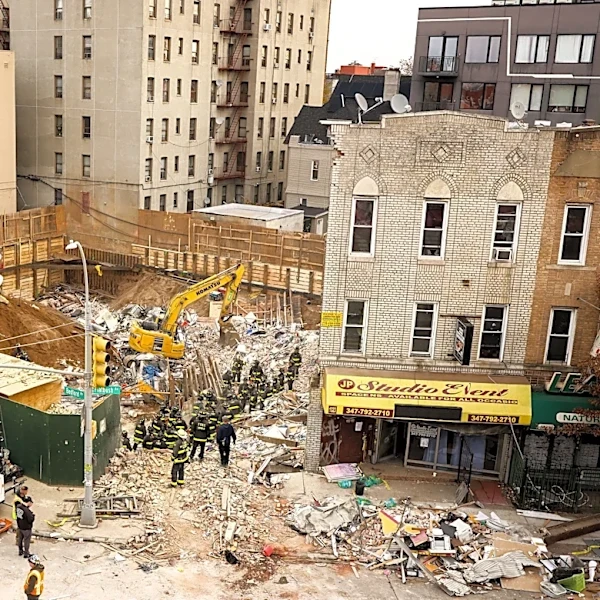
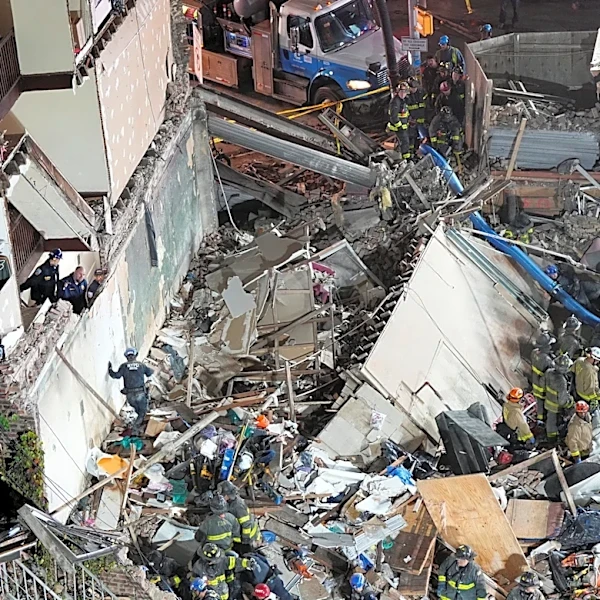
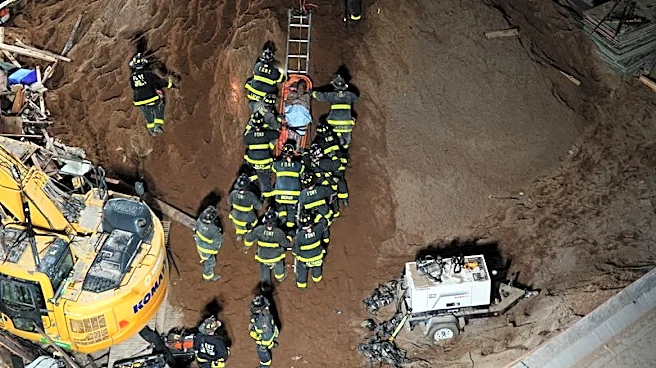
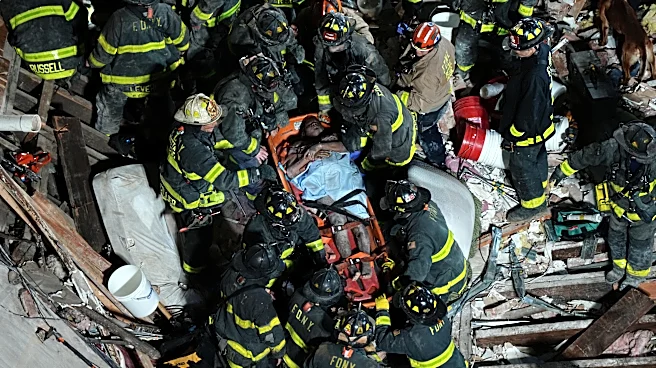
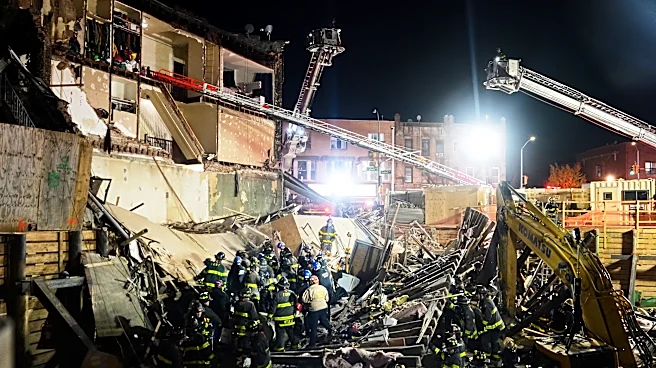
A deadly building collapse in Flatbush, Brooklyn, which resulted in eight fatalities, has prompted an investigation into a neighboring construction site at 2625 Bedford Ave. The three-story mixed-use building at 1321 Flatbush Ave. collapsed, taking a shared
wall of 1323 Flatbush Ave. with it. The adjacent construction site, where an existing structure was demolished and excavation was underway for a new residential building, has a history of safety concerns. The Department of Buildings had previously halted demolition work in March due to the contractor, N Tech Design of America, failing to implement proper safety precautions like netting and sidewalk shields. Despite a stop-work order and a $10,000 fine, demolition proceeded. Further citations and another stop-work order were issued in May for inadequate protection of neighboring buildings and deviations from approved plans, though this order was lifted within a week. The property owner of the collapsed building, Olufemi Falade, has a history of building ownership violations, including a 2006 jail sentence for failing to repair issues in multiple properties.
Why It's Important?
This incident highlights critical issues within New York City's construction and building safety regulations, particularly concerning older structures adjacent to active development. The history of violations at both the construction site and the collapsed building suggests systemic failures in oversight and enforcement. The mayor's vow for a full investigation and accountability underscores the potential for significant policy changes in construction permitting, inspection protocols, and penalties for non-compliance. This event could lead to stricter regulations for developers and contractors, especially when working near aging infrastructure. The tragedy also brings to light the responsibilities of property owners in maintaining older buildings, as the collapsed structure had 98 recorded violations dating back to 1972, with 11 in the past year alone. This situation could impact real estate development practices and insurance costs across the city, potentially increasing scrutiny on projects in densely populated areas with mixed-age buildings.
What's Next?
Mayor Zohran Mamdani has announced a sweep of 100 other properties associated with five entities linked to the construction site at 2625 Bedford Ave., though the entities were not named. This indicates a broader investigation into potential patterns of negligence or non-compliance within the construction industry. The investigation into the collapse is expected to be a lengthy process, potentially spanning years, to determine fault and contributing factors. This will likely involve forensic engineering analysis of the structural integrity of the collapsed building and the impact of the adjacent excavation. Depending on the findings, there could be legal repercussions for the involved contractors, developers, and property owners. Furthermore, the incident may prompt legislative action to strengthen building codes, increase the frequency and rigor of inspections, and enhance penalties for safety violations, particularly for projects involving demolition and excavation near older residential or commercial properties.
Beyond the Headlines
The Brooklyn building collapse transcends a singular tragic event, revealing deeper implications regarding urban development, historical preservation, and social equity. The incident underscores the tension between rapid urban growth and the need to protect existing communities and infrastructure, particularly in areas with older, potentially vulnerable buildings. The history of violations and the alleged disregard for stop-work orders raise ethical questions about corporate responsibility and the prioritization of profit over public safety. This event could fuel public demand for greater transparency in construction projects and more robust community involvement in zoning and development decisions. It also highlights the challenges faced by residents in older buildings, who may be exposed to risks from adjacent construction or inadequate maintenance by landlords. The long-term impact could include a re-evaluation of how cities manage development in established neighborhoods, potentially leading to policies that better balance growth with safety and community well-being.