








What's Happening?
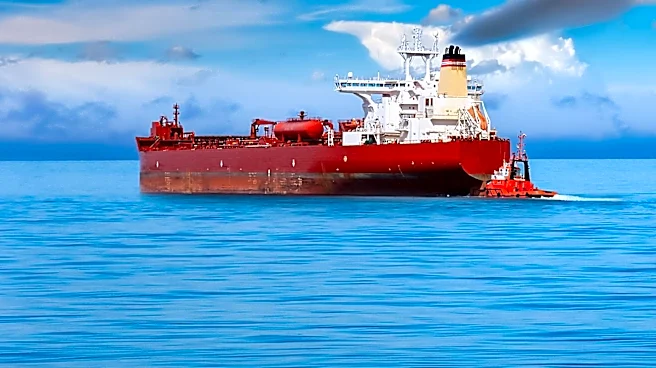
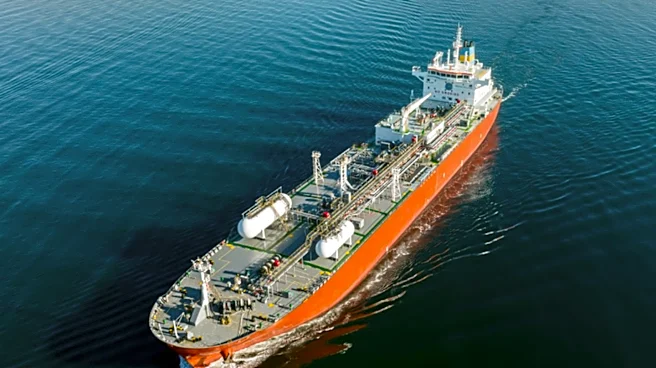
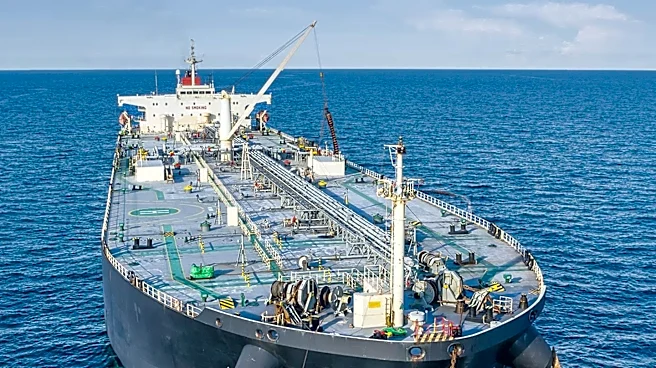
A tanker from Russia's shadow fleet, the Caroline Bezengi, is reportedly leaking oil in a marine conservation area off the coast of Oman. This incident underscores the environmental dangers posed by older vessels used to circumvent Western sanctions.
The tanker, which loaded Russian oil at Novorossiysk, last reported its location near Yemen on June 11. Satellite imagery from Copernicus Sentinel-1 and Sentinel-2 between July 2 and July 13 indicates an oil spill in a bay southwest of Al-Qibliyah island. Experts from SkyTruth, the Conflict and Environment Observatory, and Data Desk confirmed the imagery suggests an oil spill. The tanker is owned by Shanghai-based Rentoor Shipmanagement. The EU and UK have sanctioned the Caroline Bezengi for transporting Russian oil. Russia increasingly relies on such aging tankers to maintain petroleum exports amid international restrictions.
Why It's Important?
The oil spill near Oman highlights the environmental risks associated with Russia's shadow fleet, which uses older, poorly maintained tankers to evade sanctions. This incident could exacerbate tensions between Russia and Western nations, as it demonstrates the potential ecological damage from circumventing sanctions. The spill also raises concerns about maritime safety and environmental protection in international waters. The reliance on such vessels underscores the challenges in enforcing sanctions and the lengths to which countries may go to sustain economic activities. The incident may prompt calls for stricter international regulations and monitoring of maritime activities to prevent similar environmental disasters.
What's Next?
The oil spill could lead to increased scrutiny of Russia's shadow fleet and its operations. International bodies may push for more stringent enforcement of maritime regulations and sanctions compliance. Environmental groups might advocate for greater transparency and accountability in shipping practices to prevent future spills. The incident could also influence diplomatic relations, with affected countries seeking reparations or policy changes. Additionally, there may be a push for technological advancements in monitoring and tracking vessels to ensure compliance with international laws and prevent environmental harm.