






What's Happening?
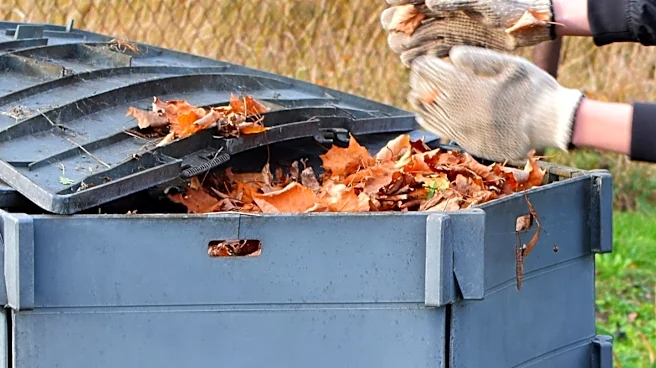
Roeland Park, Kansas, has launched a new program offering reimbursements to residents for home composting initiatives. The program aims to encourage sustainable waste management practices within the community. Residents can receive reimbursements for purchasing
home composters, related materials, or for utilizing compost drop-off services. To qualify for the full reimbursement amount, participants are required to attend a workshop, which will likely provide guidance on effective composting techniques and program specifics. This initiative reflects a growing trend among local governments to support environmentally friendly practices at the household level, reducing landfill waste and promoting the creation of nutrient-rich soil. The program's structure, including the workshop requirement, suggests an emphasis on educating residents to ensure successful and sustainable composting efforts.
Why It's Important?
This program is important for several reasons, primarily its potential impact on local waste management and environmental sustainability. By incentivizing home composting, Roeland Park can significantly reduce the amount of organic waste sent to landfills. Organic waste in landfills produces methane, a potent greenhouse gas, contributing to climate change. Diverting this waste through composting helps mitigate these emissions. Furthermore, the resulting compost can enrich local soils, reducing the need for chemical fertilizers and improving soil health for gardening and landscaping. Economically, a reduction in landfill waste can lead to lower waste disposal costs for the municipality in the long run. Socially, the program fosters community engagement in environmental stewardship and educates residents on sustainable living practices, potentially leading to broader adoption of eco-friendly behaviors. The workshop requirement ensures that participants are well-informed, maximizing the program's effectiveness and the quality of the compost produced.
What's Next?
Following the launch of the reimbursement program, the next steps will likely involve promoting the initiative to ensure widespread community participation. This will include scheduling and conducting the required workshops, which will be crucial for educating residents on proper composting methods and the benefits of the program. The city will also need to establish clear procedures for residents to apply for reimbursements and for verifying eligible purchases or service usage. Monitoring the program's initial uptake and the amount of organic waste diverted will be important for assessing its success and making any necessary adjustments. If successful, other municipalities in Kansas and beyond might look to Roeland Park's model as a blueprint for implementing similar home composting incentive programs, further expanding the reach of sustainable waste management practices.
Beyond the Headlines
The Roeland Park composting program touches upon broader themes of urban sustainability and community resilience. Beyond the immediate environmental benefits, such initiatives can strengthen local food systems by providing nutrient-rich soil for community gardens and urban farming. This can contribute to food security and healthier eating habits within the community. The program also highlights a shift towards decentralized waste management solutions, empowering individual households to play an active role in addressing environmental challenges. This localized approach can foster a stronger sense of community responsibility and connection to the environment. Furthermore, by reducing reliance on large-scale waste infrastructure, communities can become more resilient to disruptions in waste services and reduce their overall ecological footprint. The educational component of the program also underscores the importance of knowledge transfer in driving sustainable behavioral change.