






What's Happening?
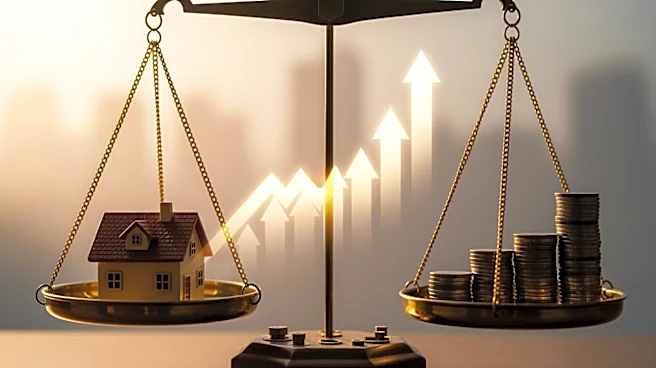
Property taxes across the United States have increased at a rate surpassing inflation, with the average homeowner paying $4,427 last year, marking a 3.7% rise from 2024. This increase outpaces the Consumer Price Index, which rose by 2.7% in the same period.
Notably, states like Delaware and Maryland experienced significant hikes of 18% and 11.6%, respectively. Property taxes, primarily levied by local governments, fund public services such as schools, road construction, and emergency services. Despite a 1.7% decrease in the average estimated value of single-family homes to $494,231, property taxes have continued to rise, driven by the increasing costs of public services. According to the Tax Policy Center, these taxes are influenced by local government funding needs rather than property assessments.
Why It's Important?
The rise in property taxes has significant implications for homeowners and local economies. As property taxes are a major source of revenue for local governments, increases can strain household budgets, particularly in states with the highest levies like New Jersey, where the average homeowner pays about $10,500 annually. This trend reflects broader economic pressures on municipalities to fund essential services amidst rising costs. The disparity in tax changes across states also highlights differing policy approaches, with some states reducing taxes through legislative measures or alternative revenue sources. These variations can affect local real estate markets and influence migration patterns as homeowners seek more affordable living conditions.
What's Next?
As property taxes continue to rise, homeowners may face increased financial pressure, potentially leading to calls for policy reforms or tax relief measures. States experiencing significant tax hikes might explore alternative revenue sources or implement legislative changes to alleviate the burden on residents. Additionally, the ongoing economic conditions and inflation trends will likely influence future property tax policies and rates. Stakeholders, including policymakers and community leaders, will need to balance funding needs with taxpayer affordability to ensure sustainable local economies.