




What's Happening?
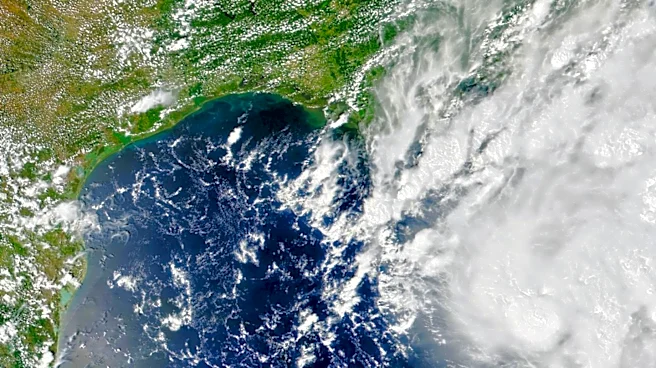
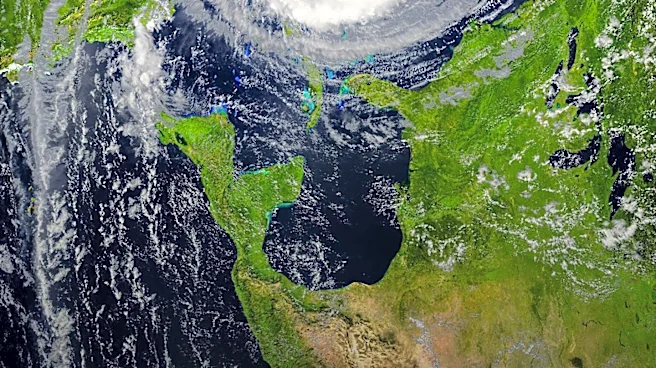
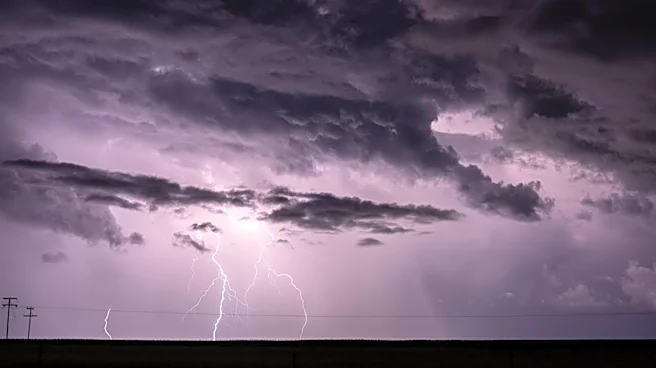
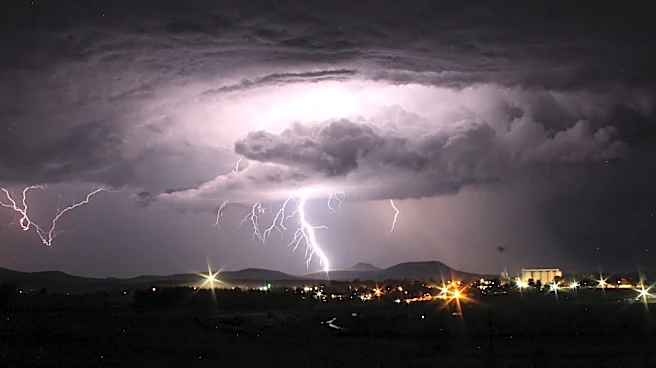
The eastern United States is facing a dual threat of flash flooding and extreme heat this week. Heavy rain and storms are expected to impact the mid-Atlantic states and the Carolinas, with flash flood warnings in effect due to a combination of tropical
moisture and a strong cold front. Meanwhile, a heat wave is expanding from the Gulf Coast across the Central U.S., with heat indexes potentially reaching 115 degrees. The National Oceanic and Atmospheric Administration warns that over 100 million people could be affected by heat advisories, while millions more face risks from heavy rain and potential flooding.
Why It's Important?
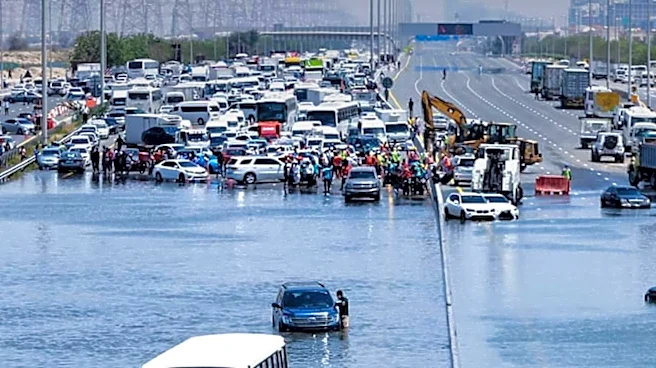
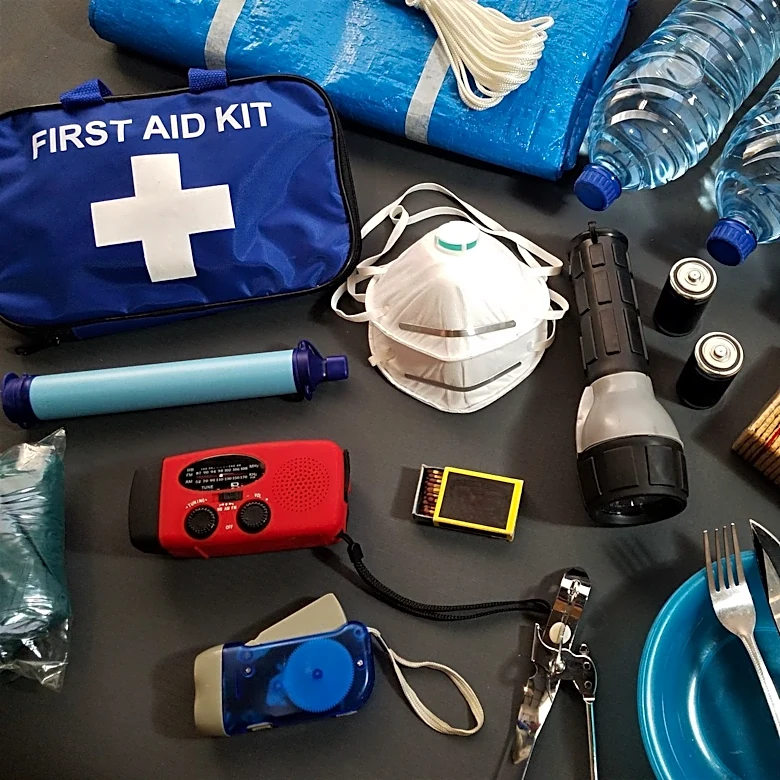
The simultaneous occurrence of extreme heat and flash flooding presents significant challenges for public health and safety. High temperatures can lead to heat-related illnesses, particularly among vulnerable populations such as the elderly and those without access to air conditioning. Flash flooding poses risks to infrastructure and can disrupt transportation and daily activities. The situation underscores the importance of emergency preparedness and the need for public awareness campaigns to mitigate the impacts of such extreme weather conditions.
What's Next?
Authorities are urging residents to take precautions against heat-related illnesses by staying hydrated and avoiding outdoor activities during peak heat hours. In areas at risk of flooding, residents should stay informed about weather updates and be prepared for potential evacuations. The ongoing weather events may lead to increased discussions on climate adaptation strategies and the need for resilient infrastructure to withstand such extreme conditions.