



What's Happening?
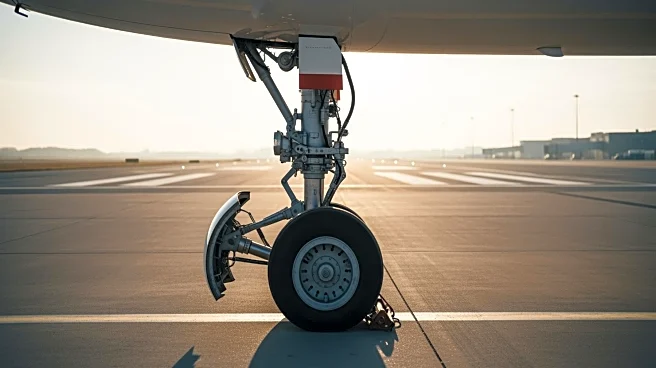
On January 18, 2026, United Airlines flight UA2323, operating from Chicago to Orlando, experienced a significant incident during landing. The Airbus A321neo, a two-year-old aircraft, lost one of its nose wheels upon landing at Orlando International Airport.
The flight, which lasted approximately 2 hours and 19 minutes, was routine until the landing phase. Video footage captured the aircraft's left rear wheels touching down first, followed by a bounce that led to the right rear wheels touching down. Subsequently, the forward wheels made contact with the runway, resulting in one of the nose wheels detaching from the aircraft. This incident led to a ground stop at the airport, halting all operations during a peak travel period. Fortunately, no injuries were reported, and the aircraft was safely brought to a stop.
Why It's Important?
The incident highlights potential safety concerns with the Airbus A321neo, particularly under challenging weather conditions. The loss of a nose wheel during landing is a rare occurrence and raises questions about the aircraft's structural integrity and maintenance protocols. For United Airlines, this event could lead to increased scrutiny from aviation safety regulators and potential operational disruptions. The ground stop at Orlando International Airport underscores the broader impact on airport operations and passenger travel during peak periods. This incident may prompt airlines to review their maintenance procedures and pilot training programs to prevent similar occurrences in the future.
What's Next?
United Airlines will likely conduct a thorough investigation to determine the cause of the wheel detachment. This may involve collaboration with aviation safety authorities to assess whether the incident was due to mechanical failure, maintenance oversight, or pilot error. The findings could lead to changes in maintenance practices or operational procedures for the Airbus A321neo fleet. Additionally, the airline may face increased regulatory scrutiny and potential financial implications if systemic issues are identified. Passengers affected by the ground stop may seek compensation, and the incident could influence future travel decisions.