






What's Happening?
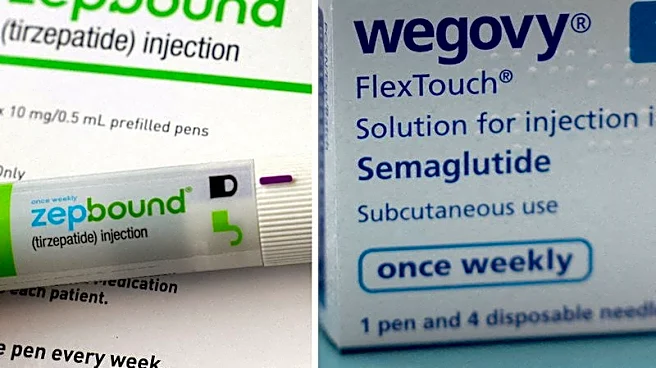
The landscape of weight management medications has expanded with the approval of oral GLP-1 drugs, Foundayo (orforglipron) and Wegovy (semaglutide). Both medications work by mimicking the natural hormone GLP-1, which signals fullness, slows gastric emptying,
regulates insulin, and suppresses glucagon, leading to reduced food intake and weight loss. While both are effective, they differ in dosing schedules, drug interactions, and clinical data. Oral Wegovy requires a stricter routine, taken on an empty stomach with water, followed by a 30-minute wait before eating or drinking. Foundayo offers more flexibility, as it can be taken anytime with or without food. Both carry a boxed warning for thyroid C-cell tumors, based on rodent studies, and are contraindicated for individuals with a history of medullary thyroid carcinoma or multiple endocrine neoplasia type 2. Common side effects for both are primarily digestive, peaking early in treatment.
Why It's Important?
The introduction of oral GLP-1 medications like Foundayo and Wegovy marks a significant advancement in weight management, offering a more convenient alternative to weekly injections. This accessibility could potentially broaden the reach of effective weight loss treatments to a larger population. However, key differences between the two drugs necessitate careful consideration by patients and healthcare providers. For instance, Wegovy has an FDA approval to reduce the risk of major cardiovascular events, a benefit not yet established for Foundayo. Additionally, Foundayo requires careful monitoring for interactions with oral birth control and certain other medications, while Wegovy has fewer such concerns. These distinctions highlight the need for personalized treatment plans, taking into account individual health history, lifestyle, and potential drug interactions, to ensure both efficacy and safety.
What's Next?
Patients considering these medications should consult with their healthcare providers to determine the best fit based on their habits, health history, and other medications. The cost and insurance coverage for both drugs are comparable, with manufacturer savings programs and the temporary Medicare GLP-1 Bridge Program offering reduced out-of-pocket expenses for eligible individuals. However, employer coverage for GLP-1s for weight loss remains limited, with strict eligibility requirements. As more patients adopt these oral treatments, real-world data will continue to emerge, further informing clinical practice and potentially leading to updated guidelines. Ongoing research may also explore additional benefits or risks, particularly regarding Foundayo's cardiovascular impact and long-term safety profiles for both medications.
Beyond the Headlines
The rise of GLP-1 medications for weight loss, particularly in oral form, signals a paradigm shift in how obesity is treated, moving towards more accessible and less invasive pharmacological interventions. This development could have profound societal implications, potentially reducing the prevalence of obesity-related comorbidities and improving public health outcomes. However, it also raises questions about equitable access, given the current limitations in insurance coverage and the high cost of these drugs. The emphasis on personalized medicine, where treatment choices are tailored to individual patient profiles, will become increasingly critical. Furthermore, the long-term impact on healthcare systems, including pharmaceutical spending and the management of potential side effects, will be a significant area of focus as these medications become more widely adopted.