





What's Happening?
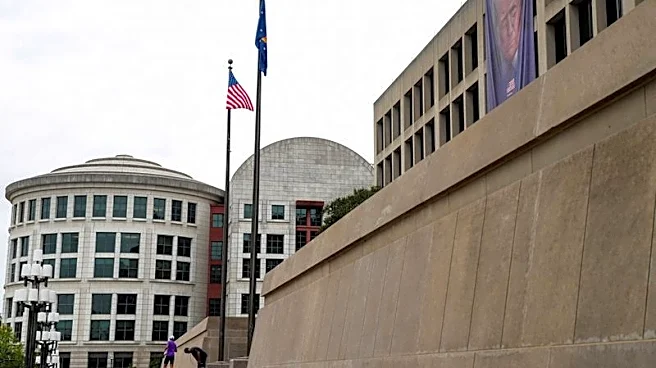
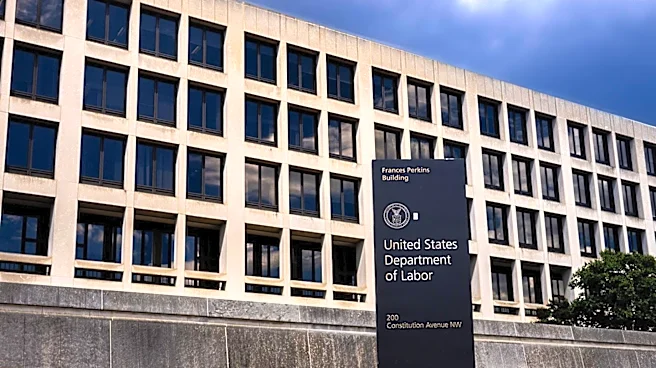
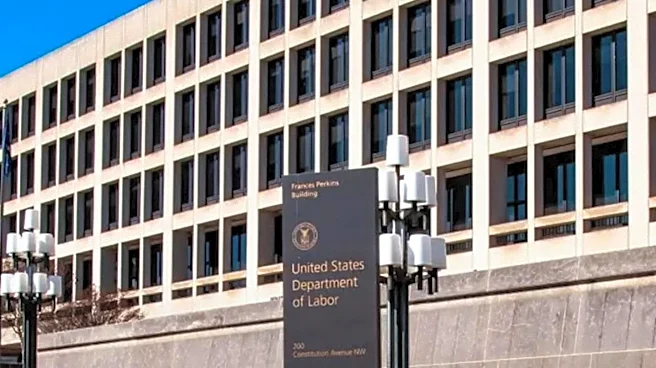
The U.S. Department of Labor (DOL) has proposed substantial changes to the Permanent Labor Certification (PERM) program, marking the most significant revisions in nearly two decades. The proposed rule, titled “Modernizing the Labor Market Test and Improving
Protections for U.S. Workers in the Permanent Labor Certification Immigrant Visa Program,” aims to strengthen protections for U.S. workers, modernize recruitment requirements, and enhance program integrity in employment-based immigration. Key proposals include eliminating Schedule A, which currently exempts certain occupations like professional nurses and physical therapists from the PERM process. Employers would face expanded recruitment obligations, such as mandatory electronic postings on company websites and job search platforms, and social media recruitment where customarily used. Recruitment advertisements would generally need to remain active for at least 90 days, and additional documentation would be required with PERM filings. Furthermore, the DOL proposes stricter layoff-related requirements, prohibiting PERM applications if layoffs in similar occupations occurred within the previous two years and mandating notification of layoffs during PERM and I-140 processing. The rule also addresses modern work arrangements, providing new guidance for remote, hybrid, and roving work scenarios, and formalizes electronic filing and documentation requirements.
Why It's Important?
These proposed changes hold significant implications for U.S. employers, particularly those sponsoring foreign nationals under EB-2 and EB-3 immigrant visa categories. The elimination of Schedule A would increase the administrative burden and cost for healthcare providers and other industries that rely on foreign workers in currently exempted occupations, as they would now need to complete the full PERM process. The expanded recruitment requirements, including longer posting periods and mandatory electronic and social media outreach, are intended to ensure employers reach a broader pool of qualified U.S. workers, potentially making it more challenging and time-consuming to demonstrate a lack of available U.S. workers. The stricter layoff restrictions aim to protect U.S. workers by preventing employers from seeking foreign labor while simultaneously laying off domestic employees in similar roles. This could impact workforce planning and talent acquisition strategies for companies, especially during economic downturns. The new guidance on remote and hybrid work arrangements reflects the evolving nature of employment and seeks to ensure fair labor market tests in these contexts, potentially affecting prevailing wage determinations and worksite identification.
What's Next?
The proposed rule is scheduled for publication in the Federal Register on November 17, 2026. Following publication, interested parties will have a 60-day period to submit comments. This public comment period is a critical phase where stakeholders, including employers, labor organizations, and immigration advocates, can provide feedback on the proposed changes. The DOL will review these comments before finalizing the rule. The finalization process typically takes several months, meaning the proposed revisions would not take effect immediately. Employers should closely monitor the rulemaking process and consider how these potential changes could impact their future immigration sponsorship strategies and workforce planning. The American Hospital Association (AHA) has indicated that its members will receive a Regulatory Advisory with additional information, highlighting the specific impact on healthcare workers.
Beyond the Headlines
Beyond the immediate operational and financial impacts on employers, these proposed PERM changes reflect a broader policy shift towards prioritizing U.S. worker protection and modernizing immigration processes to align with current labor market realities. The emphasis on electronic recruitment methods acknowledges the digital transformation of job searching, moving away from outdated print ad requirements. The stricter layoff provisions underscore a commitment to preventing the displacement of U.S. workers by foreign labor, potentially leading to increased scrutiny of employer hiring practices. The inclusion of guidance for remote and hybrid work arrangements signals a recognition of evolving employment models and an attempt to adapt immigration regulations to these new paradigms. This could set a precedent for how other labor and immigration policies address the complexities of a distributed workforce. The overall intent is to enhance the integrity of the employment-based immigration system, ensuring that foreign workers are brought in only when a genuine shortage of qualified U.S. workers exists, thereby reinforcing the foundational principles of the PERM program.