







What's Happening?
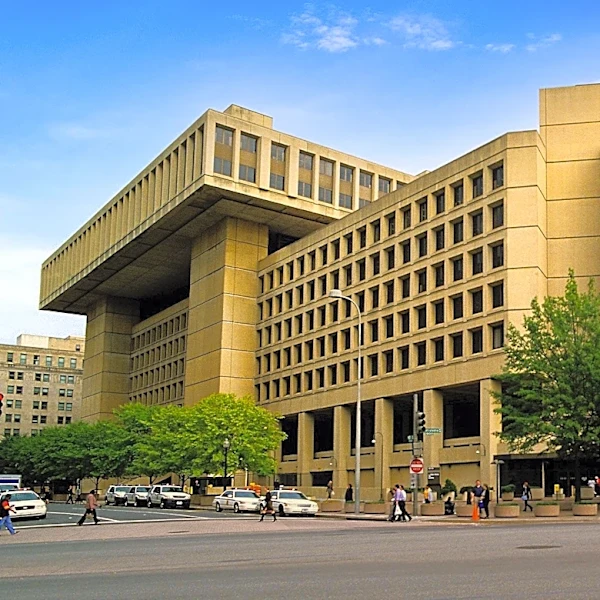
The Department of Justice (DOJ) is facing scrutiny over its decision-making process regarding who gets charged with a crime, particularly in politically sensitive cases. This issue is explored in a recent episode of UnCommon Law, which delves into the
doctrine of selective prosecution. This doctrine suggests that individuals may be targeted for prosecution based on their identity, statements, or political positions. The episode examines cases involving figures such as James Comey, Letitia James, and Eric Adams, highlighting concerns about prosecutorial discretion and independence. Historically, post-Watergate reforms aimed to insulate prosecutorial decisions from political influence, with career attorneys tasked with evaluating evidence and recommending whether cases should proceed. However, critics of the Trump administration argue that these processes are under pressure, citing high-profile cases involving political figures and former officials.
Why It's Important?
The examination of the DOJ's prosecutorial discretion is significant as it touches on the integrity and independence of the U.S. justice system. The perception of political influence in prosecutorial decisions can undermine public trust in legal institutions. If individuals believe that prosecutions are politically motivated, it could lead to a lack of confidence in the fairness and impartiality of the justice system. This issue is particularly relevant in cases involving political figures, where the stakes are high, and the potential for perceived bias is greater. The role of the DOJ's Public Integrity Section, established post-Watergate to oversee politically sensitive prosecutions, is crucial in maintaining accountability and transparency in these decisions.
What's Next?
The ongoing debate over the DOJ's prosecutorial practices may lead to calls for further reforms to ensure that political considerations do not influence legal decisions. Stakeholders, including legal scholars, former DOJ officials, and civil society groups, may advocate for enhanced safeguards and oversight mechanisms. Additionally, there could be increased scrutiny of the DOJ's actions in politically charged cases, potentially leading to legislative or policy changes aimed at reinforcing the independence of prosecutorial decisions. The outcome of this debate could have lasting implications for the DOJ's credibility and the broader justice system.