
What's Happening?
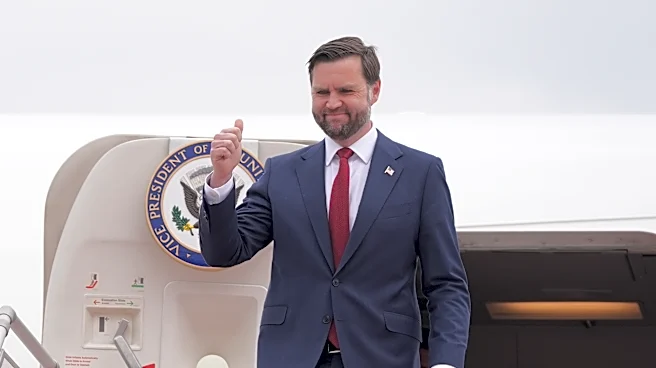
U.S. and Iranian negotiators have engaged in high-level talks in Pakistan, marking the first direct discussions between the two nations in over a decade. The talks aim to resolve a six-week conflict that
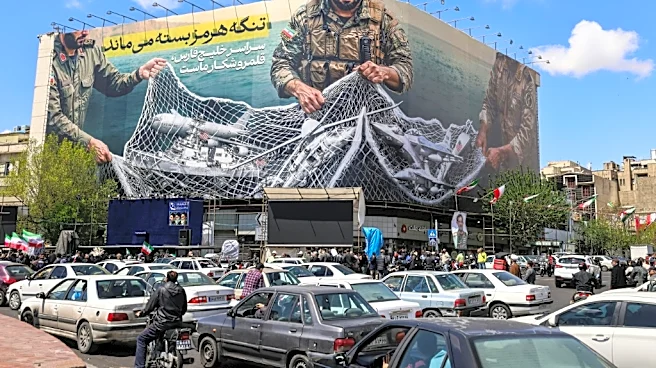
has significantly impacted global oil prices and regional stability. President Trump announced that the U.S. military is working to clear the Strait of Hormuz, a critical passage for global energy supplies, which Iran has effectively blocked. However, Iranian state media disputes these claims, and the talks have reportedly hit a stalemate over the status of the strait. The negotiations are further complicated by Iran's demands for the release of frozen assets and control over the strait, while the U.S. seeks to ensure free passage for shipping and the dismantling of Iran's nuclear program.
Why It's Important?
The outcome of these talks could have significant implications for global energy markets and geopolitical stability. The Strait of Hormuz is a vital chokepoint for oil and gas shipments, and its closure has already led to soaring oil prices and economic disruptions. Successful negotiations could lead to a reopening of the strait, stabilizing energy markets and reducing tensions in the Middle East. However, the deep-seated mistrust between the U.S. and Iran, along with conflicting demands, poses a challenge to reaching a comprehensive agreement. The talks also highlight the strategic importance of Pakistan as a mediator in international conflicts.
What's Next?
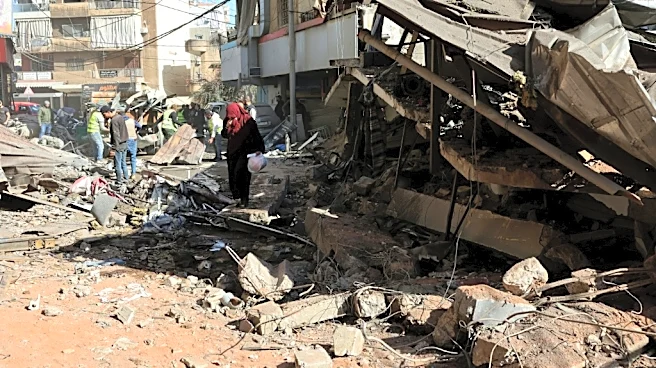
The continuation of the talks will depend on the ability of both sides to compromise on key issues such as the control of the Strait of Hormuz and the release of frozen assets. The involvement of other regional players, such as Israel and Lebanon, further complicates the situation. The international community will be closely monitoring the negotiations, as their outcome could set a precedent for future diplomatic engagements in the region. The potential for a ceasefire and the reopening of the strait could lead to a de-escalation of military activities and a reduction in regional tensions.