




What's Happening?
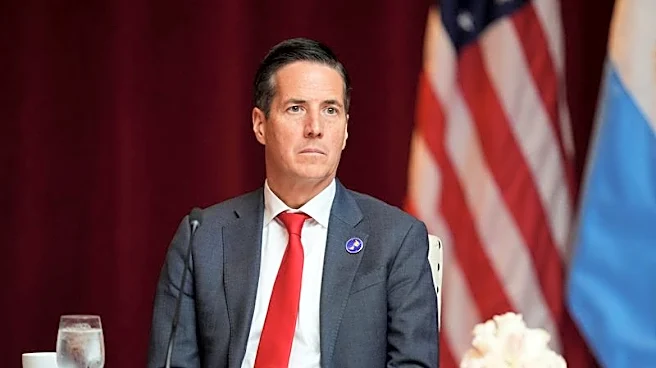
Senator Bernie Moreno (R., Ohio) is advocating for federal charges to be brought against a Toledo-area doctor. The doctor is accused of forcing abortion drugs upon his then-girlfriend. Senator Moreno's call for federal intervention highlights a significant
legal and ethical concern, pushing for a higher level of prosecution in a case that has garnered attention. The specifics of the incident, as described by Senator Moreno, involve the alleged non-consensual administration of abortion-inducing medication, raising questions about bodily autonomy and medical ethics. This development indicates a move to elevate the case beyond state jurisdiction, seeking federal prosecution for the alleged actions of the Toledo doctor. The senator's involvement underscores the perceived gravity of the situation and the desire for a robust legal response.
Why It's Important?
This action by Senator Moreno is important as it signals a potential shift in how such cases, typically handled at the state level, might be pursued federally, especially when involving allegations of forced medical procedures. If federal charges are indeed brought, it could set a precedent for similar cases across the U.S., potentially expanding the scope of federal involvement in matters previously considered state-level offenses. This could have significant implications for medical practitioners and individuals involved in domestic disputes, particularly concerning reproductive rights and consent. The case also brings to the forefront discussions about the legal protections available to individuals against non-consensual medical interventions and the role of federal law in upholding these protections. The outcome could influence future legislative efforts regarding medical consent and the prosecution of related offenses.
What's Next?
The immediate next step will involve federal authorities evaluating Senator Moreno's request and determining whether there is sufficient basis to pursue federal charges against the Toledo doctor. This process will likely involve a thorough review of the evidence and legal precedents. Should federal charges be filed, the case would proceed through the federal court system, which could involve grand jury proceedings, indictments, and potentially a federal trial. This could lead to a prolonged legal battle with significant implications for the doctor's medical license and professional future. Additionally, this situation may prompt further public discourse and legislative scrutiny regarding the legal framework surrounding forced medical procedures and reproductive coercion, potentially leading to calls for new or amended laws at both state and federal levels.
Beyond the Headlines
Beyond the immediate legal proceedings, this case touches upon deeper societal issues concerning consent, reproductive autonomy, and the abuse of power within relationships, particularly when one party holds a position of medical authority. The push for federal charges by a U.S. Senator elevates the discussion to a national platform, highlighting the ethical responsibilities of medical professionals and the vulnerabilities of individuals in abusive situations. It could also spark broader conversations about the adequacy of existing laws to address such complex forms of coercion and violence. The outcome of this case, whether at the state or federal level, could influence public perception of the medical profession and contribute to ongoing debates about patient rights and protections against medical misconduct, potentially leading to reforms in medical ethics guidelines and legal statutes.