

What's Happening?
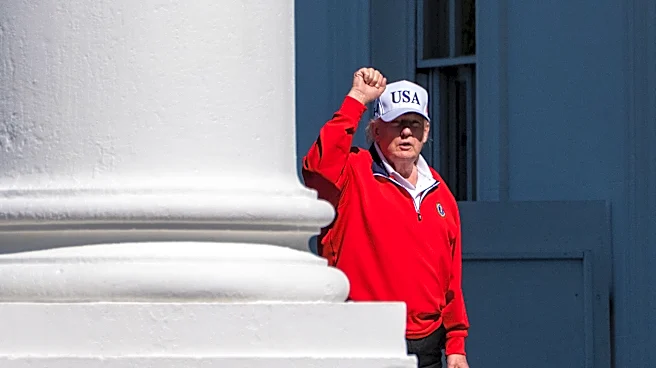
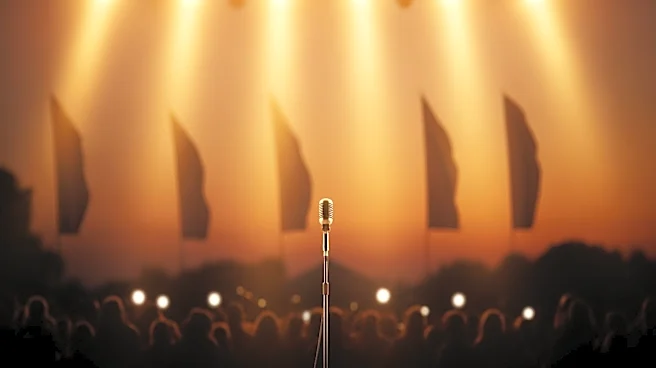
President Trump is reshaping the cultural landscape of America's 250th anniversary celebrations, with a focus on promoting his political agenda through art and events. A planned concert series on the National Mall has faced significant challenges, with several
artists withdrawing due to the event's perceived political nature. In response, Trump has proposed replacing the concert with a MAGA rally, emphasizing his role as a central figure in the celebrations. This move is part of a broader strategy to align cultural events with the MAGA agenda, as seen in Trump's influence over the Kennedy Center and other cultural institutions. The administration has also attempted to exert control over exhibits at the Smithsonian and other national events, promoting themes of 'American greatness.'
Why It's Important?
Trump's approach to the 250th anniversary highlights the intersection of politics and culture, where art is used as a tool for political messaging. This strategy could have lasting implications for how cultural events are organized and perceived in the U.S., potentially leading to increased polarization. By positioning himself as a central figure in these celebrations, Trump is not only promoting his political brand but also reshaping the narrative around national identity and history. This could influence public perception of cultural institutions and their role in society, as well as impact funding and support for the arts.
What's Next?
The administration's handling of the anniversary celebrations will likely continue to spark debate and criticism, particularly from those who view the politicization of cultural events as problematic. As the celebrations unfold, stakeholders in the arts and cultural sectors will be monitoring the impact of these changes on public engagement and support. The administration's approach could also influence future national celebrations and the role of cultural institutions in promoting national identity. Observers will be watching to see how these events are received by the public and the potential long-term effects on the cultural landscape.