





What's Happening?
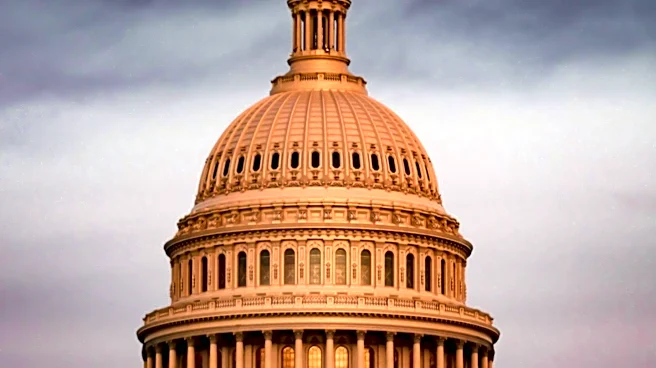
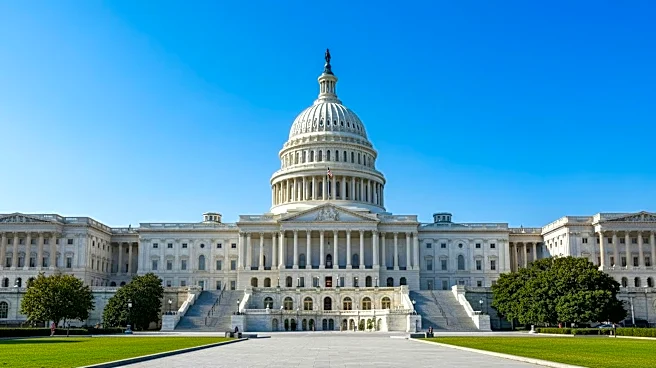
U.S. Senators Jeff Merkley and Ron Wyden of Oregon have announced the allocation of $150,000 in federal funds to the Oregon Department of Transportation (ODOT). This funding, which represents the maximum award available under the Federal Highway Administration’s
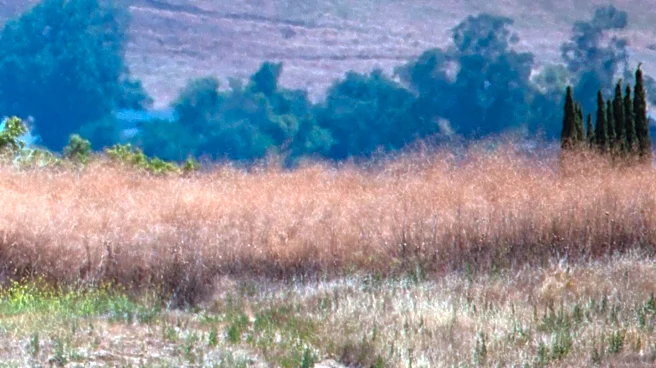
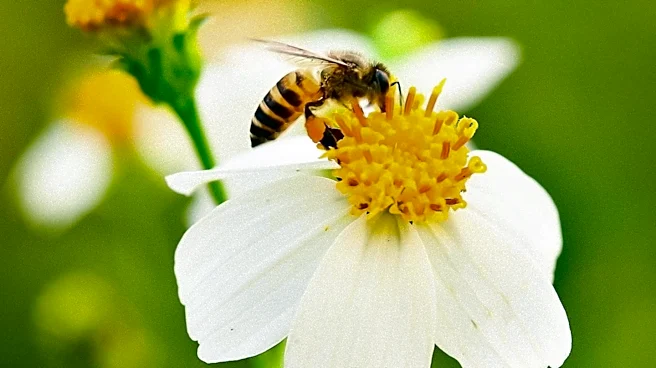
Pollinator-Friendly Practices on Roadsides and Highway Rights-of-Way Program (also known as the Roadside Pollinator Program), is designated for the creation and restoration of pollinator habitats along Oregon's highways. The initiative will involve the use of native seed mixes and adjusted mowing practices to enhance roadside environments for pollinators. Senator Merkley emphasized that healthy habitats are crucial for the survival of pollinators and benefit Oregon's agricultural, forestry, and natural landscapes. He highlighted this project as an example of how roadsides can be optimized for Oregon, supporting species like the Western Monarch butterfly and native bees, while also improving resilience to drought. Senator Merkley has been a long-standing advocate for pollinator populations, leading the bipartisan Roadside Pollinator Program Amendments Act, which builds on his earlier Monarch and Pollinator Highway Act, signed into law as part of the Bipartisan Infrastructure Law.
Why It's Important?
This federal funding is important for several reasons, primarily for its environmental and ecological impact within Oregon and potentially as a model for other states. The decline in pollinator populations, including monarch butterflies and native bees, poses a significant threat to ecosystems and agricultural productivity. Pollinators are essential for the reproduction of many plants, including a substantial portion of the food crops consumed by humans. By creating and restoring pollinator habitats along highways, the project directly addresses habitat loss, a major factor in pollinator decline. This initiative also promotes biodiversity and ecosystem health, contributing to greater resilience against environmental challenges such as drought. Furthermore, the use of native seed mixes and adjusted mowing practices can reduce the long-term need for pesticides, benefiting both the environment and public health. The project demonstrates a proactive approach to conservation, integrating ecological considerations into infrastructure management and highlighting the role of federal investment in supporting both communities and natural landscapes.
What's Next?
The Oregon Department of Transportation (ODOT) will proceed with implementing the project, utilizing the $150,000 federal funds to create and restore pollinator habitats. This will involve deploying native seed mixes and adjusting mowing schedules along Oregon highways. The success of this program could serve as a blueprint for similar initiatives in other states, potentially leading to broader adoption of pollinator-friendly practices across the national highway system. Senator Merkley is expected to continue his advocacy for pollinator conservation, building on his previous legislative efforts such as the Monarch Action, Recovery, and Conservation of Habitat (MONARCH) Act. Future steps may include further federal investments and legislative actions aimed at protecting and restoring pollinator populations, as well as continued monitoring of the effectiveness of these roadside habitat projects. The project's outcomes will likely inform future policy decisions regarding environmental stewardship within transportation infrastructure.
Beyond the Headlines
Beyond the immediate environmental benefits, this initiative reflects a growing recognition of the interconnectedness between human infrastructure and ecological systems. The integration of pollinator habitats into roadside management signifies a shift towards more sustainable and ecologically conscious urban and rural planning. It challenges the traditional view of highways solely as transportation corridors, re-imagining them as potential ecological networks that can support biodiversity. This approach could foster a broader cultural appreciation for pollinators and their vital role in the environment, encouraging public engagement in conservation efforts. Ethically, it underscores a responsibility to mitigate the environmental impact of human development and to actively restore natural habitats. The project also highlights the potential for bipartisan cooperation on environmental issues, demonstrating that conservation can be a shared goal across political divides and can be effectively advanced through federal funding and legislative support.