








What's Happening?
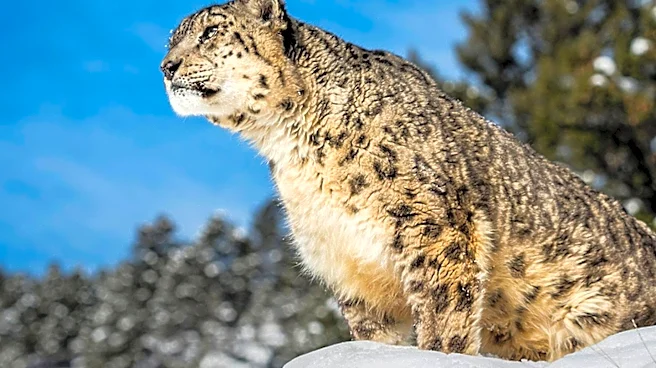
Two snow leopards at Project Survival Cat Haven in Dunlap, California, have been diagnosed with Valley fever, a fungal illness that can also affect humans. This development follows a previous incident where the sanctuary lost a lion to the same illness.
Valley fever is caused by inhaling spores from the fungus Coccidioides, which is found in soil in parts of the Southwest and south-central Washington state. The sanctuary is now on high alert, monitoring both animals and staff for signs of the illness. The condition can cause serious symptoms such as fatigue, coughing, and shortness of breath, and can persist for weeks or months. The sanctuary is taking precautions to reduce exposure to the fungus, which can be spread through dust, especially after rainy periods followed by dry weather.
Why It's Important?
The diagnosis of Valley fever in the snow leopards highlights the intersection of animal and human health, emphasizing the need for vigilance in areas where the fungus is present. The illness poses a significant threat not only to the rare animals at the sanctuary but also to the staff and visitors. Managing such health challenges can strain resources that are typically allocated for animal care, education, and conservation efforts. The situation underscores the importance of early detection and treatment to prevent severe health outcomes. It also raises awareness about the potential risks of Valley fever in regions where the fungus is endemic, affecting both wildlife and human populations.
What's Next?
The sanctuary is likely to continue its heightened monitoring of both animals and humans for symptoms of Valley fever. Treatment for the affected snow leopards is ongoing, and the sanctuary may implement additional measures to minimize dust exposure, such as wetting soil before digging and limiting outdoor activities during dusty conditions. The situation may prompt further research into preventive strategies and treatments for Valley fever, particularly in wildlife conservation settings. Additionally, there may be increased collaboration with health authorities to ensure the safety of both the sanctuary's inhabitants and its human visitors.
Beyond the Headlines
This case illustrates the broader implications of zoonotic diseases, which can transfer between animals and humans, highlighting the need for integrated health approaches that consider both human and animal health. The incident may lead to increased public health messaging about the risks of Valley fever and the importance of protective measures in affected areas. It also raises ethical considerations regarding the responsibility of sanctuaries to protect both their animal charges and human staff from environmental health threats.