







What's Happening?
Fannie Mae has awarded Virginia Housing two 2026 Innovation Challenge awards, recognizing their partnerships with Appalachian Highlands Housing Partners (AHHP) and West Piedmont Planning District Commission (WPPDC). This national competition aims to identify
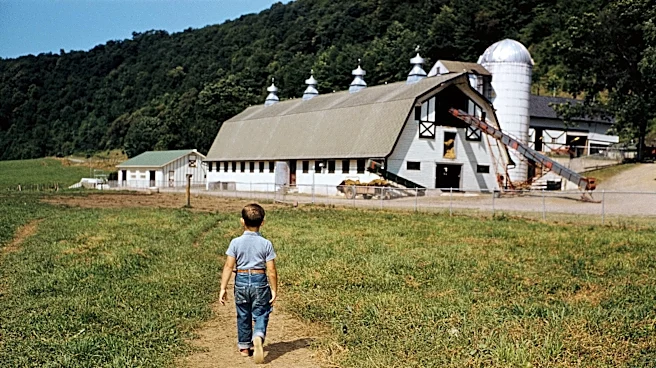
and support high-impact development proposals that create affordable single-family or multifamily housing with potential for future loan delivery to Fannie Mae. Virginia's two awards are part of six national recognitions and will specifically target increasing housing supply in rural areas by addressing barriers to homeownership in high-need markets. AHHP's project will deliver 50 new single-family homes in southwestern Virginia for households earning 80% to 120% of the Area Median Income (AMI), utilizing modern off-site modular construction and workforce training. WPPDC's initiative, the Martinsville Fleetwood Duplex Housing Initiative, will produce 10 new single-family homes using HUD-code manufactured housing for families earning 80% or less of the AMI, focusing on cost reduction and accelerated construction timelines.
Why It's Important?
These awards are crucial for addressing the affordable housing crisis in rural Virginia and potentially serving as scalable models for other communities nationwide. By supporting innovative construction methods like off-site modular and manufactured housing, Fannie Mae and Virginia Housing are promoting cost-effective and efficient ways to increase housing supply. The projects also emphasize workforce training and community land trusts, which contribute to long-term affordability and local economic development. The focus on rural areas is particularly significant, as these regions often face unique challenges in housing development, including limited resources and infrastructure. Successful implementation of these initiatives could demonstrate viable pathways for expanding homeownership opportunities and improving housing accessibility for low- and moderate-income families, ultimately strengthening communities and local economies.
What's Next?
With the Innovation Challenge awards, AHHP will upgrade technology systems to improve production, quality control, and cost predictability, aiming to produce 250 homes per year after the award period. WPPDC's initiative will establish a scalable framework for homeownership in a rural setting, with potential for replication in rental housing and expanded loan delivery into the secondary mortgage market. Both projects will serve as pilot programs, with their successes and challenges providing valuable insights for future affordable housing initiatives. Stakeholders will be observing the progress of these projects to assess their effectiveness in reducing costs, accelerating construction, and creating sustainable models for affordable housing. The potential for replication across Virginia and other states could significantly impact national efforts to address housing shortages and affordability.
Beyond the Headlines
These awards highlight a growing recognition of the need for innovative solutions to tackle the affordable housing crisis, moving beyond traditional construction methods. The emphasis on factory-built housing and modular construction points towards a future where housing production can be more industrialized, efficient, and less susceptible to on-site labor shortages and weather delays. Furthermore, the integration of workforce training programs within these housing initiatives addresses both the housing shortage and the need for skilled trades, creating a dual benefit for communities. The focus on community land trusts also signals a commitment to ensuring long-term affordability, preventing homes from becoming unaffordable due to market speculation. This holistic approach to housing development, supported by entities like Fannie Mae, could catalyze a broader shift in how affordable housing is conceived, funded, and delivered across the nation.