





What's Happening?
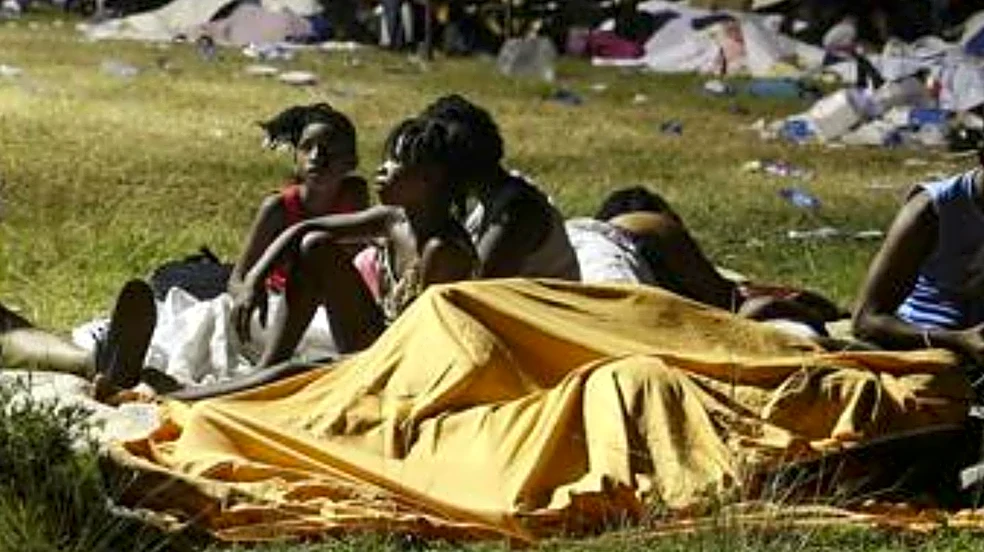
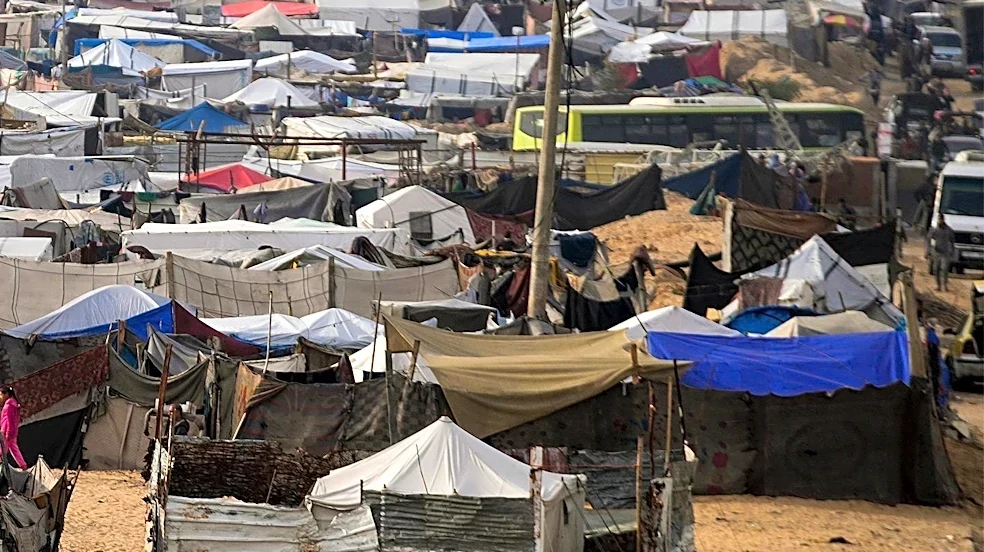
Gaza is experiencing a deepening shelter crisis as winter rains begin, with millions of displaced Palestinians facing floods and inadequate housing. Karl Baker, the International Organization for Migration’s (IOM) regional crisis coordinator for the Gaza response,
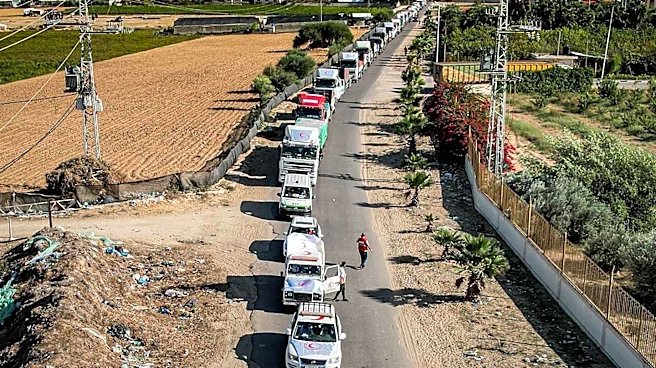
stated that repeated displacement over three years has severely damaged shelters across the enclave. Many Palestinians have been displaced up to eight times, leading to the destruction or deterioration of tents and makeshift shelters. Basic materials like tarpaulins, which need replacement every six months, are not entering Gaza at the required scale. IOM reported that available and incoming shelter supplies cover only 17% of Gaza’s winter needs, and more than half of the existing temporary shelters are in poor condition. Materials for more durable transitional shelters, such as stronger roofing and concrete floors, are subject to 'dual-use' restrictions by Israeli authorities, hindering their entry due to security concerns. Funding shortages and disruptions to international shipping also pose significant obstacles.
Why It's Important?
The deepening shelter crisis in Gaza is a critical humanitarian concern, directly impacting the health, safety, and well-being of millions of displaced individuals. The onset of winter rains exacerbates the vulnerability of those living in inadequate shelters, increasing risks of illness, exposure, and further displacement due to flooding. The 'dual-use' restrictions on construction materials, while cited for security reasons, effectively prevent the construction of more resilient and permanent housing solutions, trapping a large population in precarious living conditions. This situation highlights the severe limitations on humanitarian aid delivery and the complex interplay between security concerns and the urgent needs of a civilian population. The inability to provide adequate shelter undermines broader recovery efforts and perpetuates a cycle of dependency on emergency aid, rather than fostering sustainable living environments.
What's Next?
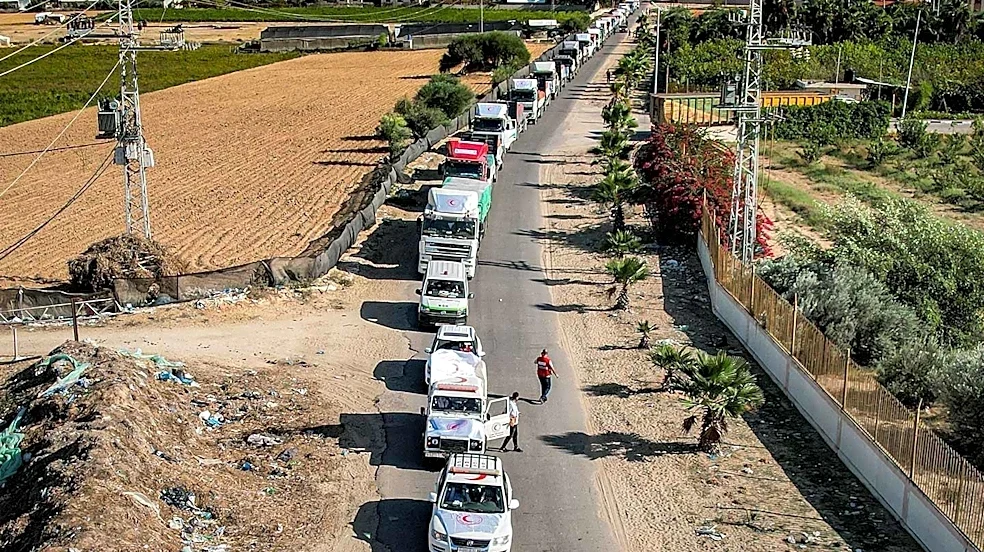
Humanitarian organizations are working to address flood-prone areas and deploy water pumps to mitigate the immediate impact of winter rains. However, the primary challenge remains securing the entry of sufficient and appropriate shelter materials. IOM is in constant contact with Israeli authorities to facilitate the entry of durable materials, but progress is slow due to ongoing security concerns. Agencies aim to transition from temporary solutions to more durable shelters, which requires overcoming the 'dual-use' restrictions and securing substantial funding. International efforts will likely continue to focus on advocating for increased humanitarian access and financial support to meet the needs of the estimated 1.8 to 1.9 million people requiring shelter assistance. The long-term outlook depends on a resolution to the conflict and a relaxation of restrictions on essential goods for reconstruction.
Beyond the Headlines
The Gaza shelter crisis extends beyond immediate physical needs, touching upon fundamental human rights and the long-term stability of the region. The repeated destruction and inadequate rebuilding of homes contribute to a sense of perpetual displacement and instability, hindering social cohesion and economic recovery. The 'dual-use' policy, intended to prevent materials from being used for military purposes, inadvertently creates a humanitarian crisis by denying civilians access to basic necessities for safe housing. This raises questions about the proportionality and effectiveness of such restrictions in a densely populated area. The reliance on international aid and the challenges in its delivery also underscore the broader geopolitical complexities and the need for sustained diplomatic efforts to ensure humanitarian principles are upheld amidst conflict. The psychological toll of living in constant precarity, especially for children, will have lasting societal implications.