







What's Happening?
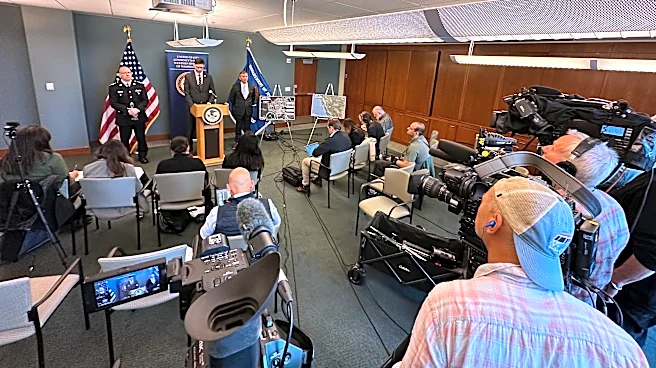
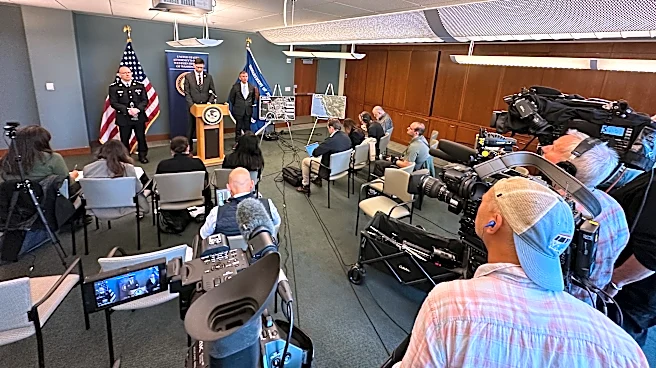
Manjit Singh Bedi, 64, the former owner of an Asian grocery store in Tacoma, Washington, has been extradited from India to the United States to face federal charges related to food stamp fraud. Bedi was arrested in India in September after being placed
on the FBI's 'Most Wanted Fraudster' list. He arrived in Seattle this week and is scheduled for a court appearance on Friday. Bedi faces six counts of wire fraud. The charges allege that he collaborated with Supplemental Nutrition Assistance Program (SNAP) recipients, running their cards for specific amounts, then providing them with half the amount in cash while retaining the other half. The FBI estimates that Bedi defrauded the SNAP program of at least $600,000 through this scheme. U.S. Department of Agriculture Inspector General John Walk stated that Bedi 'stole from Americans who truly needed help,' characterizing his operation as a 'money-laundering operation' that converted federal food assistance into a 'personal cash dispensary.'
Why It's Important?
This extradition and prosecution underscore the federal government's commitment to combating fraud within critical social welfare programs like SNAP. The alleged scheme, totaling at least $600,000, highlights vulnerabilities in the system that can divert funds intended for needy families. Acting U.S. Attorney Neil Floyd emphasized that stopping SNAP benefit fraud can help disrupt other criminal activities, including the fentanyl trade, by reducing the flow of illicit cash into high-crime areas. The case also reflects the broader efforts of the White House's recently established Task Force to Eliminate Fraud, which aims to bring together various federal agencies and law enforcement to identify and prosecute fraudulent use of government benefits. The successful extradition from India demonstrates the reach of U.S. law enforcement in pursuing individuals who flee the country to avoid prosecution for financial crimes.
What's Next?
Manjit Singh Bedi is scheduled to appear in court on Friday in Seattle. Federal authorities plan to request his detention pending trial, citing his previous flight from the U.S. to Canada and then to India as evidence of his willingness and means to flee. The legal proceedings will determine his guilt or innocence on the six counts of wire fraud. This case is expected to serve as a deterrent to others contemplating similar fraudulent activities against federal assistance programs. The ongoing efforts of the Task Force to Eliminate Fraud suggest that more such prosecutions may follow, as federal agencies continue to collaborate on rooting out fraudulent use of government benefits across various sectors. The outcome of Bedi's trial could also influence future strategies for preventing and detecting fraud within the SNAP program.
Beyond the Headlines
The case against Manjit Singh Bedi touches upon deeper issues beyond financial fraud, including the integrity of public assistance programs and their impact on broader societal problems. The alleged diversion of SNAP funds not only deprives vulnerable individuals of essential support but also, as highlighted by Acting U.S. Attorney Neil Floyd, can fuel other criminal enterprises by injecting cash into illicit economies. This connection between benefit fraud and issues like the fentanyl trade suggests a complex interplay of social and economic factors. The incident also raises questions about the oversight mechanisms within the SNAP program and how such large-scale fraud could persist. The emphasis on international cooperation for extradition underscores the global nature of financial crime and the increasing necessity for cross-border law enforcement efforts to maintain the integrity of national programs.