


What's Happening?
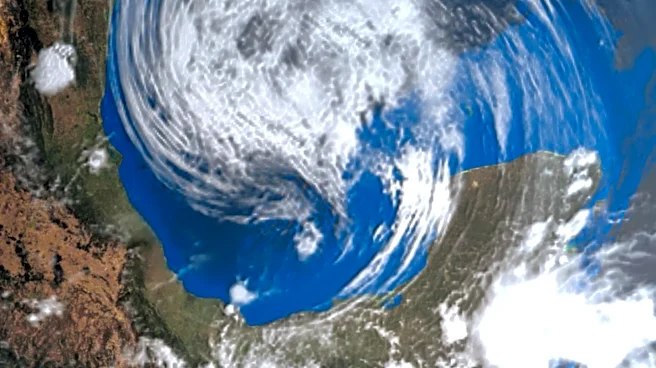
A joint paper by Morrison and Altitude, released in November 2026, examines the potential impact of the developing 2026/27 El Niño event on infrastructure resilience across various regions, including North America and Europe. The report, drawing on climate
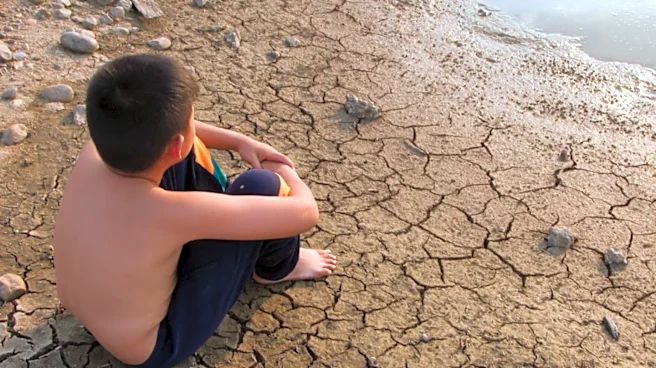
science expertise and infrastructure asset management experience, reviews forecasts and past major El Niño events. It maps selected climate risks to critical infrastructure sectors such such as energy, utilities, transport, digital infrastructure, and logistics. The paper emphasizes that strong El Niño events have historically intensified floods, droughts, heatwaves, and wildfires, leading to concurrent impacts that can disrupt service continuity, increase operating costs, and affect supply chains. The authors stress that geographic diversification alone may not fully mitigate these risks.
Why It's Important?
The findings of this report are crucial for U.S. industries and public policy, as they highlight the vulnerabilities of critical infrastructure to climate-related events. The potential for intensified floods, droughts, heatwaves, and wildfires directly threatens the stability and operational continuity of essential services like power grids, water supply, transportation networks, and digital communications. Businesses in these sectors stand to lose significantly from increased operating costs, repair expenses, and supply chain disruptions. Policymakers and asset managers in the U.S. must consider these insights to develop more robust resilience strategies, ensuring the continued functioning of vital infrastructure and mitigating economic losses. The report underscores the need for proactive measures to protect against the escalating impacts of climate change.
What's Next?
The authors recommend that asset managers use the developing El Niño event as an opportunity to test and strengthen resilience. This includes understanding critical dependencies, reviewing and exercising business continuity plans, checking insurance coverage, and considering maintenance, capital expenditure, suppliers, worker safety, backup capacity, and restoration arrangements. Furthermore, they urge asset managers to prepare stakeholder communications and integrate resilience into their asset management and planning processes. For U.S. stakeholders, this implies a need for immediate action to assess and fortify infrastructure against anticipated climate stressors, potentially leading to increased investment in climate-resilient infrastructure and updated regulatory frameworks.
Beyond the Headlines
Beyond the immediate operational and financial implications, the report touches upon the broader challenge of integrating climate resilience into long-term asset management and planning. This involves a fundamental shift in how infrastructure is designed, built, and maintained, moving beyond historical weather patterns to anticipate future climate scenarios. The ethical dimension arises in ensuring equitable access to resilient infrastructure, particularly for vulnerable communities. Legally, there may be increasing pressure for stricter regulations and accountability for climate-proofing critical assets. Culturally, it signifies a growing recognition that climate change is not just an environmental issue but a core consideration for economic stability and societal well-being, necessitating a collaborative approach across government, industry, and communities.