


What's Happening?
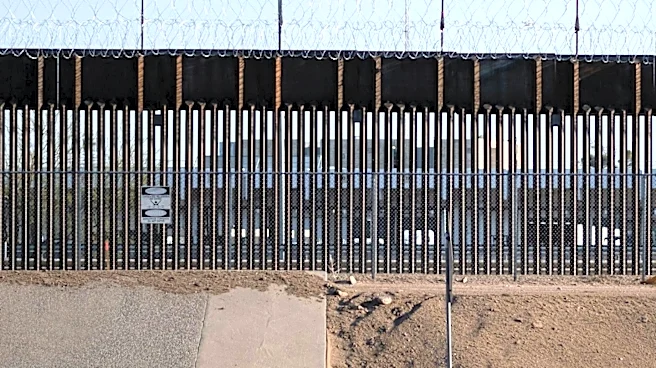
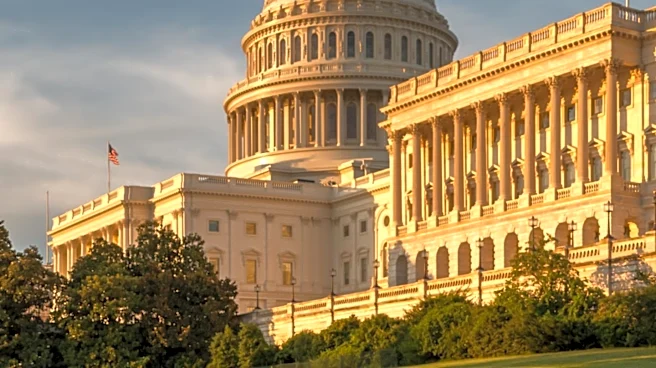
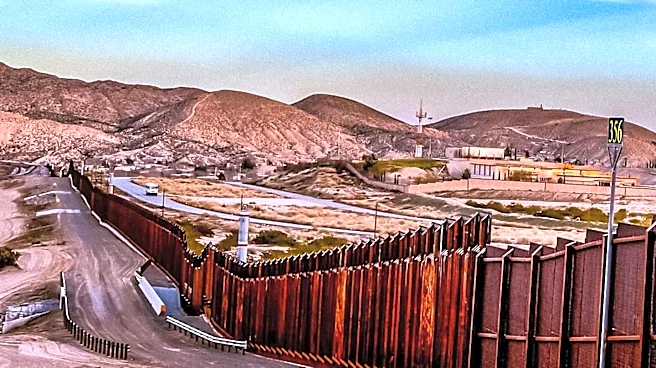
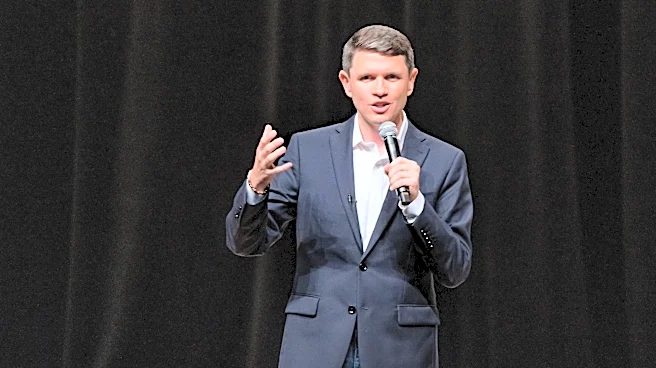
U.S. Representative Jake Ellzey, a Republican from Waxahachie, Texas, voted against an amendment proposed by Democratic U.S. Representative Henry Cuellar of Laredo. This amendment aimed to prevent federal funding from being used for the construction of border
barriers within Big Bend National Park. The vote occurred in the House Appropriations Committee as part of the fiscal year 2027 Homeland Security funding bill. The amendment ultimately failed with a vote of 26-34. All Republicans present on the committee, including Ellzey, John Carter of Round Rock, and Michael Cloud of Victoria, voted against the amendment, while all Democrats present, such as Veronica Escobar of El Paso, supported it. The controversy surrounding border barrier construction in the Big Bend region escalated when heavy machinery arrived in the national park, leading to public outcry. U.S. Customs and Border Protection Commissioner Rodney Scott subsequently ordered a pause in all construction activity inside the park for an on-the-ground evaluation, and heavy machinery was later removed.
Why It's Important?
Representative Ellzey's vote against blocking funding for border barriers in Big Bend National Park highlights a significant point of contention in U.S. border policy and environmental conservation. The decision to proceed with or halt construction in a national park carries substantial implications for environmental protection, land use, and the balance between national security measures and preserving natural treasures. Public opposition to the construction underscores a broader societal debate about the appropriate use of protected lands for infrastructure projects. The involvement of U.S. Senate candidates, Republican Ken Paxton and Democrat James Talarico, in calling for the park's protection further elevates the issue to a statewide political concern, indicating its potential impact on upcoming elections and public sentiment regarding border security strategies. The financial contributions from Ellzey's campaign to the Republican Party of Texas also illustrate the interconnectedness of political actions, party funding, and policy stances within the state's political landscape.
What's Next?
Following the pause in construction, the future of federal border barrier projects in Big Bend National Park remains uncertain. U.S. Customs and Border Protection Commissioner Rodney Scott indicated that a decision on the temporary construction pause is expected in the coming weeks after his evaluation and meetings with local officials. This suggests that a revised plan for the Big Bend region may be developed, which could either permanently halt construction within the national park or propose alternative strategies. Stakeholders, including environmental groups, local communities, and political figures, will likely continue to monitor developments closely and advocate for their respective positions. The ongoing debate could influence future legislative efforts regarding border security funding and environmental protections, potentially leading to new amendments or policy discussions in Congress. The issue may also continue to be a talking point in the U.S. Senate race in Texas, with candidates using their stances to appeal to voters.
Beyond the Headlines
The controversy surrounding border barrier construction in Big Bend National Park extends beyond immediate policy decisions, touching upon deeper ethical and cultural dimensions. The argument that 'God already built a wall in Big Bend, it's called the Chisos Mountains,' as stated by James Talarico, reflects a perspective that views natural landscapes as inherent barriers and questions the necessity and impact of man-made structures in such environments. This sentiment highlights a cultural value placed on preserving natural beauty and ecological integrity, particularly within national parks designated for their unique significance. The debate also brings to light the tension between federal mandates for border security and local community input, raising questions about who should have the ultimate authority in decisions affecting remote border regions. The long-term implications could include shifts in how national parks are managed in relation to national security interests, potentially setting precedents for future infrastructure projects in protected areas across the U.S.