



What's Happening?
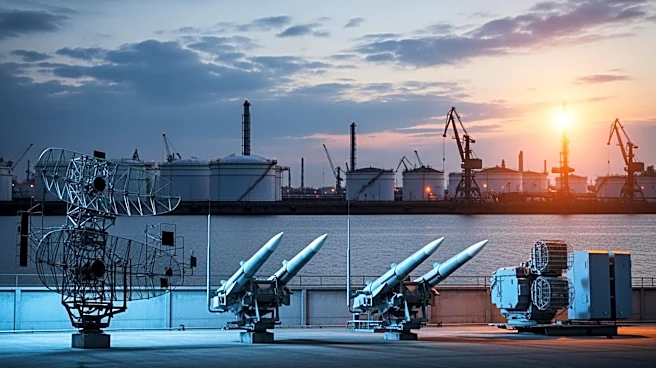
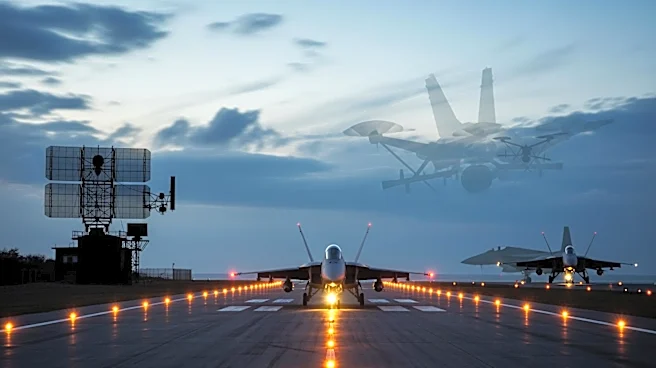
Russia is enhancing its air defense systems around key oil export ports in response to a series of Ukrainian drone strikes. The Leningrad region governor, Alexander Drozdenko, announced the deployment of additional mobile fire units to protect critical
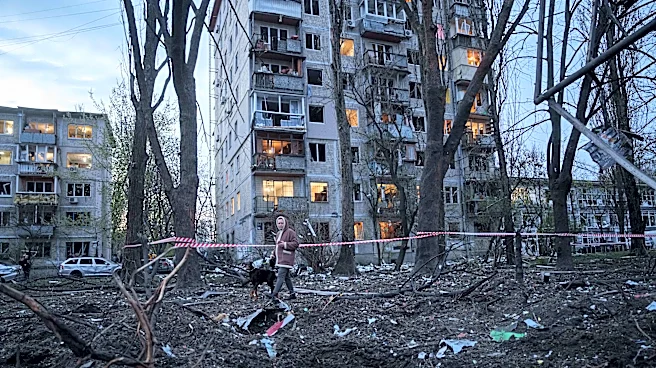
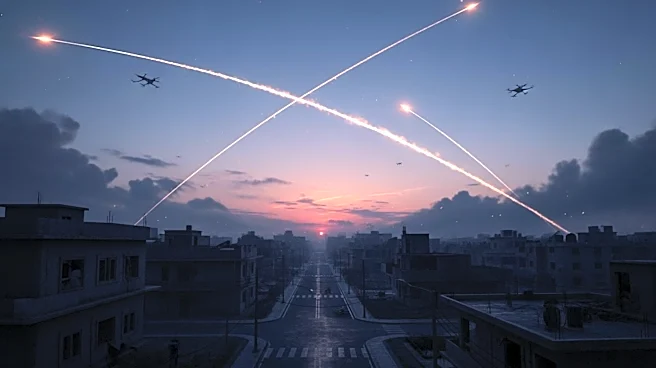
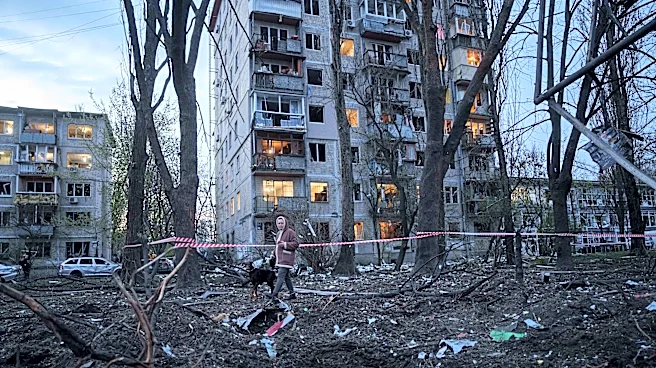
infrastructure, which may include reservists on voluntary contracts. This move follows attacks on the Baltic Sea ports of Ust-Luga and Primorsk, which are significant hubs for Russia's oil exports. These strikes have disrupted operations and exposed vulnerabilities in Russia's energy logistics. In March, Russia reportedly lost nearly $1 billion in a week due to these attacks. Ukraine has justified these strikes as a countermeasure to Russia's ongoing missile and drone assaults on Ukrainian cities and as an effort to diminish Russia's oil revenue.
Why It's Important?
The reinforcement of air defenses at Russian oil ports underscores the strategic importance of energy infrastructure in the ongoing conflict between Russia and Ukraine. The strikes on these facilities not only aim to weaken Russia's economic capabilities but also serve as a tactical response to Russian aggression. The disruption of oil exports could have significant economic implications for Russia, potentially affecting its ability to finance military operations. Additionally, these developments may influence diplomatic negotiations, as Ukraine seeks to leverage its position by targeting Russia's economic vulnerabilities. The situation highlights the broader geopolitical tensions and the role of energy resources in international conflicts.
What's Next?
As Russia fortifies its defenses, the conflict is likely to see continued military engagements targeting critical infrastructure. Ukraine's strategy of striking Russian oil facilities may persist, potentially leading to further economic strain on Russia. This could prompt Russia to intensify its military response or seek alternative strategies to protect its economic interests. The international community may also become more involved, either through diplomatic efforts to de-escalate tensions or by providing support to Ukraine. The ongoing conflict and its impact on global energy markets could lead to increased volatility in oil prices, affecting economies worldwide.