







What's Happening?
Bowling Green Independent Schools has been awarded $10,000 by the Kentucky Department of Agriculture. This recognition comes through the department’s Farm to School Stars Recognition Program, which acknowledges school districts for their commitment to purchasing
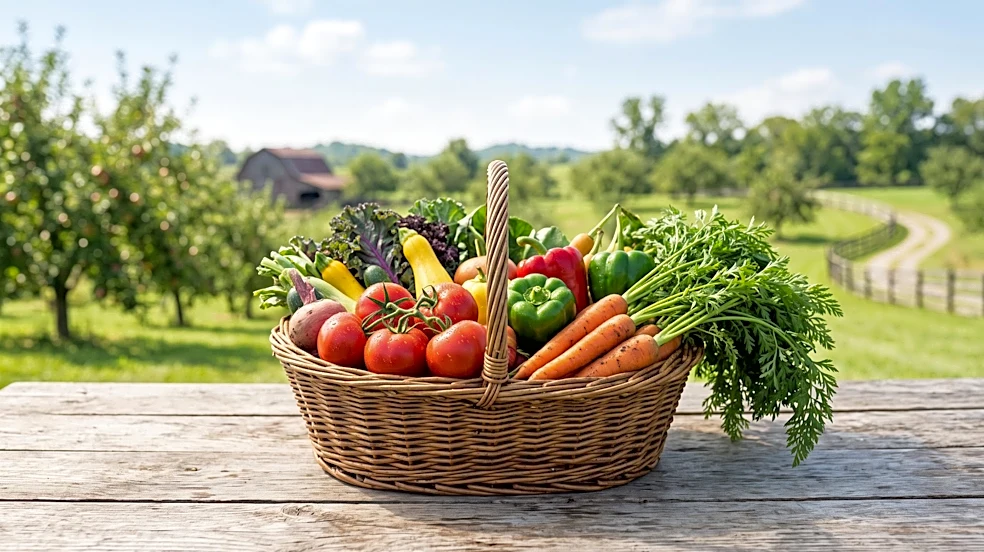
locally produced food for students. Bowling Green is one of three districts in Kentucky to be recognized for acquiring the highest percentages of locally produced proteins and produce during the school year. The funds are intended to help the district purchase additional local food products during the 2026-27 school year. Kentucky Agriculture Commissioner Jonathan Shell highlighted that these partnerships between schools and farmers create more dependable markets for agricultural products. The awards are financed by the Kentucky Ag Tag program, which collects voluntary donations from specialty farm license plate renewals, with contributions distributed among Kentucky 4-H, Kentucky FFA, and the Kentucky Department of Agriculture. Dalla Emerson, director of food service operations for Bowling Green Independent Schools, noted the district's long-standing practice of buying from local farmers, aiming to support local families and provide fresh, locally sourced food.
Why It's Important?
This initiative is important as it strengthens the local economy by providing stable markets for Kentucky farmers, allowing them to plan investments and build more secure businesses. For school districts like Bowling Green, it ensures students receive fresh, locally produced food, which can contribute to healthier eating habits and a better understanding of agriculture. The program also fosters community ties, as some of the families supplying food to the district also have children attending its schools. By encouraging local sourcing, the program reduces the carbon footprint associated with food transportation and supports sustainable agricultural practices. Furthermore, it offers educational opportunities for students, such as farm visits and classroom growing systems, connecting them directly to the food production process. The financial awards incentivize other school districts to adopt similar farm-to-school models, potentially expanding the positive impact across the state.
What's Next?
The $10,000 award will enable Bowling Green Independent Schools to increase its purchases of locally produced food during the 2026-27 school year. The district plans to continue building on its existing relationships with local farmers and is actively seeking new partnerships, particularly with growers who can supply onions and potatoes. Dalla Emerson, the director of food service operations, has encouraged interested local farmers to contact her office. Additionally, the district is planning a special, undisclosed celebration for students, which will likely highlight the benefits of their local food program. The Kentucky Department of Agriculture also announced similar awards for Harlan County Public Schools ($8,000) and Mayfield Independent Schools ($6,000), indicating a broader state-level commitment to expanding the Farm to School Stars Recognition Program and its positive impacts on both agriculture and education.
Beyond the Headlines
Beyond the immediate financial benefits and increased local food procurement, this program signifies a broader shift towards integrating local food systems into public institutions. It highlights the potential for government-backed initiatives, like the Kentucky Ag Tag program, to create synergistic relationships between different sectors—agriculture, education, and community development. This model could serve as a blueprint for other states looking to bolster their local economies, improve student nutrition, and provide practical agricultural education. The emphasis on consistent demand from schools offers farmers a level of predictability that can be crucial for small and medium-sized operations, fostering resilience in the agricultural sector. Moreover, by connecting students to the source of their food, the program cultivates an appreciation for farming and healthy eating, potentially influencing long-term dietary choices and environmental awareness among younger generations.