




What's Happening?
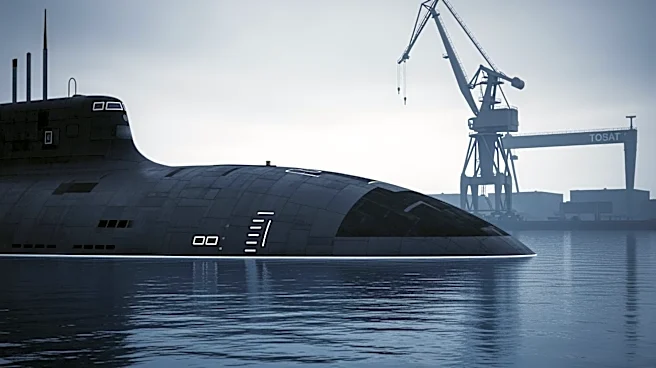
The U.S. Navy has decided to cancel the overhaul of the USS Boise, a Cold War-era attack submarine, due to escalating costs and strategic considerations. The overhaul, initially planned to start in 2016, faced repeated delays and was projected to cost nearly
$3 billion. Secretary of the Navy John Phelan stated that the submarine no longer made financial or strategic sense to repair, as it would only offer about 20% of its remaining service life. The decision allows the Navy to redirect resources towards newer Virginia- and Columbia-class submarines, which are more suited for modern missions. The Boise had been inactive since 2015, and its maintenance challenges highlighted broader issues within the Navy's shipyard operations.
Why It's Important?
The cancellation of the Boise overhaul underscores the Navy's strategic shift towards modernizing its fleet to address growing global competition, particularly from China. By reallocating resources to newer submarines, the Navy aims to enhance its operational capabilities and maintain its competitive edge. This decision reflects a broader trend of prioritizing efficiency and speed in military acquisitions, which is crucial for national security. The move also highlights the challenges faced by the Navy in managing its shipyard operations, including labor shortages and maintenance backlogs, which have implications for the readiness and effectiveness of the U.S. naval fleet.
What's Next?
The Navy's decision to cancel the Boise overhaul is part of a larger effort to reevaluate underperforming programs and improve acquisition processes. This may lead to further scrutiny of existing projects and a push for transparency and accountability in military spending. The focus will likely remain on accelerating the production of newer submarines to meet strategic demands. Stakeholders, including lawmakers and defense analysts, may continue to monitor the Navy's progress in addressing shipyard challenges and ensuring fleet readiness.