






What's Happening?
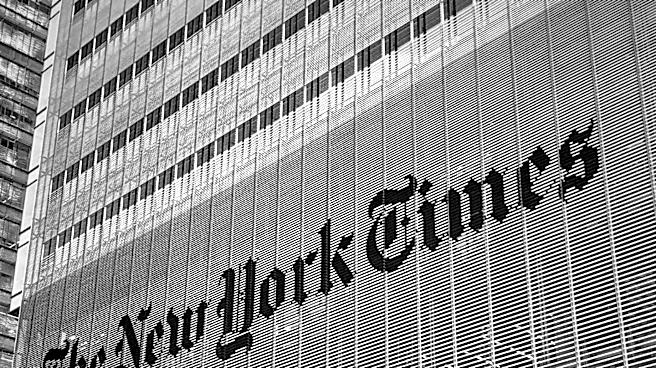
The New York Times is facing a lawsuit and renewed criticism regarding its coverage of Israel. The Florida state pension fund and a conservative think tank, both shareholders, have sued the company, seeking internal records. They allege that the Times'
board has failed to adequately oversee the newspaper's Israel coverage, citing repeated errors and an alleged anti-Israel bias. The lawsuit references a study by Yale professor Edieal Pinker, which claims the Times' reporting on the conflict following the October 7, 2023, Hamas attacks minimized Israeli suffering and Hamas's role, while overemphasizing Palestinian suffering. Specific examples cited in the lawsuit include the Times' initial reporting on the Gaza Al-Ahli Hospital explosion, which prematurely attributed it to an Israeli airstrike, and changes in terminology from 'terrorists' to 'men' when describing Hamas attackers. The Times has dismissed the lawsuit as meritless and politically motivated, asserting its rigorous and independent journalistic standards.
Why It's Important?
This situation highlights the intense scrutiny and polarized views surrounding media coverage of the Israeli-Palestinian conflict, particularly from a prominent U.S. news organization like The New York Times. The lawsuit, brought by shareholders, could set a precedent for how external entities attempt to influence journalistic practices and editorial independence through legal means. For American Jewish communities, the Times' coverage of Israel has historically been a point of contention, reflecting internal divisions and a deep-seated connection to the issue. Critics argue that perceived biases can sway public opinion and misrepresent the realities of the conflict, while the Times maintains its commitment to independent reporting. The outcome of this legal challenge and the ongoing debate could impact journalistic freedom and the public's trust in major news outlets.
What's Next?
The lawsuit will proceed, with the plaintiffs seeking access to internal records to support their claims of inadequate board oversight and journalistic standard failures. The New York Times is expected to continue its defense, reiterating its commitment to independent journalism and refuting allegations of bias. The debate surrounding the Times' Israel coverage is likely to persist, fueled by media watchdog groups and academics on both sides of the issue. This ongoing scrutiny may lead to further internal reviews of editorial processes at the Times or influence how other news organizations approach sensitive international conflicts. The legal proceedings could also prompt discussions about the role of shareholders in influencing editorial content and the boundaries of journalistic autonomy.
Beyond the Headlines
Beyond the immediate legal and journalistic implications, this controversy touches upon deeper historical and cultural dimensions. The New York Times has a complex relationship with the Jewish community, stemming from its founding by Adolph Ochs and its past coverage, including its acknowledged failure to rigorously report on the Holocaust as it happened. This history contributes to the intense scrutiny the paper faces regarding Israel. The debate also reflects a broader societal challenge in distinguishing between news reporting and opinion, especially in highly emotional and politically charged contexts. The accusation of 'weaponized journalistic standards' suggests a breakdown of trust and a perception that editorial decisions are driven by personal agendas rather than objective reporting, raising fundamental questions about media ethics and accountability in the digital age.