








What's Happening?
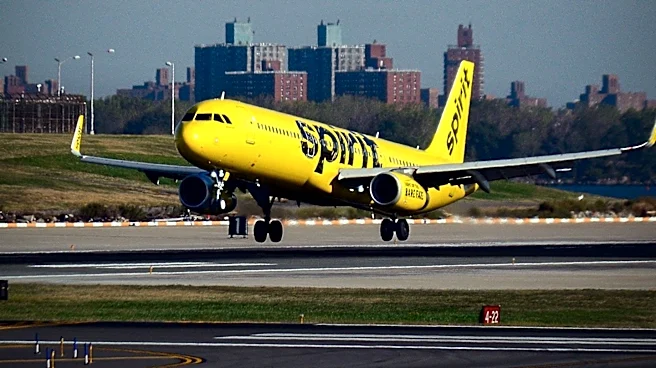
Spirit Airlines, along with other carriers, is under examination regarding its procedures for handling damaged mobility scooters. Passengers who rely on these devices face significant challenges when their equipment is damaged during air travel. The process
of filing a claim involves several steps, starting with immediate reporting at the airport, documenting the damage with photographs, and formally submitting a claim through the airline's official channels. Different rules and deadlines apply to domestic versus international flights, and specific provisions often distinguish mobility equipment from ordinary baggage. For instance, Spirit Airlines' contract of carriage outlines its mishandled baggage reporting process, including special provisions for wheelchairs and scooters. The U.S. Department of Transportation (DOT) mandates that airlines are responsible for returning assistive devices in the same condition they received them, with liability for damage up to the original purchase price for domestic flights. However, the actual process of repair or replacement can be complex, often involving third-party repair coordinators and requiring extensive documentation from the passenger.
Why It's Important?
The proper handling of mobility scooters by airlines is crucial for ensuring accessibility and independence for travelers with disabilities. Damage to these essential devices can severely impact a passenger's ability to travel, attend appointments, or even leave the airport, leading to significant personal and financial distress. The DOT's guidance, which holds airlines responsible for damage up to the device's original purchase price for domestic flights, underscores the importance of these protections. However, the practical application of these rules can be challenging, as airlines may dispute claims or require specific documentation. The involvement of Complaint Resolution Officials (CROs) is intended to address disability-related travel problems, but their role does not always guarantee financial compensation. This issue highlights the ongoing need for clear, consistent, and passenger-friendly processes to ensure that individuals with mobility challenges can travel without undue burden or risk to their essential equipment.
What's Next?
Travelers experiencing damage to their mobility scooters are advised to report the incident immediately to the airline, preferably before leaving the airport. They should meticulously document the damage with photographs and videos, and formally submit a written claim, retaining all communication and reference numbers. If the airline's initial response is unsatisfactory, passengers can escalate the matter by contacting the airline's accessibility or customer relations department, requesting to speak with a Complaint Resolution Official, or filing a complaint with the U.S. Department of Transportation. The DOT generally requires airlines to provide a substantive written response to disability-related complaints within 30 days. While recent changes to airline wheelchair rules have been subject to enforcement pauses, the underlying responsibility of airlines to pay for damage to assistive devices remains. Passengers should stay informed about current DOT guidance and airline-specific policies to navigate the claims process effectively.
Beyond the Headlines
The challenges faced by passengers with damaged mobility scooters extend beyond immediate financial compensation; they touch upon fundamental issues of dignity, accessibility, and equal opportunity in travel. The reliance on complex claims processes and the potential for disputes can create significant barriers for individuals who depend on these devices for their daily lives. This situation also highlights the broader implications of airline operational practices on vulnerable populations. The need for clear communication, transparent procedures, and empathetic responses from airlines is paramount. Furthermore, the role of third-party repair coordinators, while potentially streamlining the repair process, also introduces another layer of complexity and potential for miscommunication. Ultimately, this issue underscores the ongoing need for robust regulatory oversight and advocacy to ensure that air travel is truly accessible and equitable for all passengers, regardless of their mobility needs.