


What's Happening?
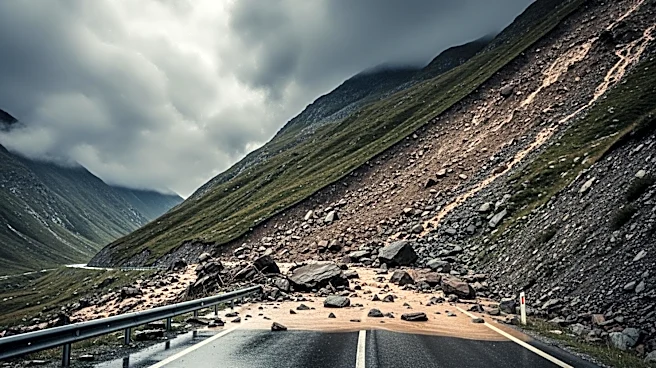
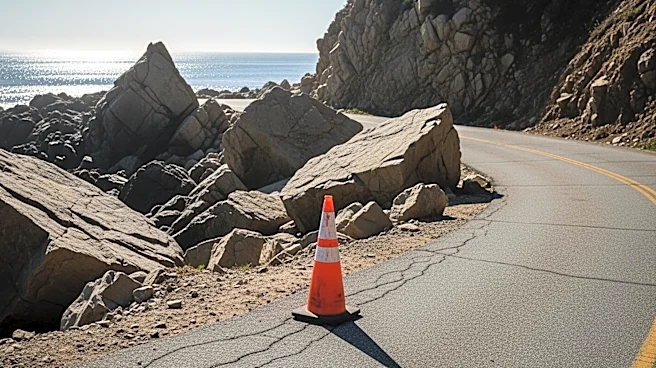
The Hawaii Department of Transportation has announced a significant lane closure on Kamehameha Highway near Waimea Bay on Oahu following a rockfall incident. Boulders crashed onto the highway, reducing traffic to a single lane, a situation that may persist
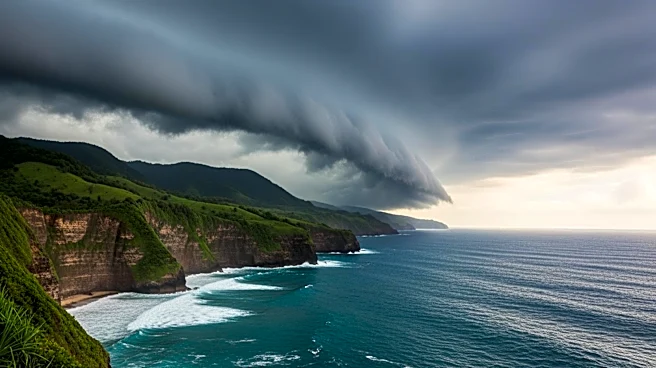
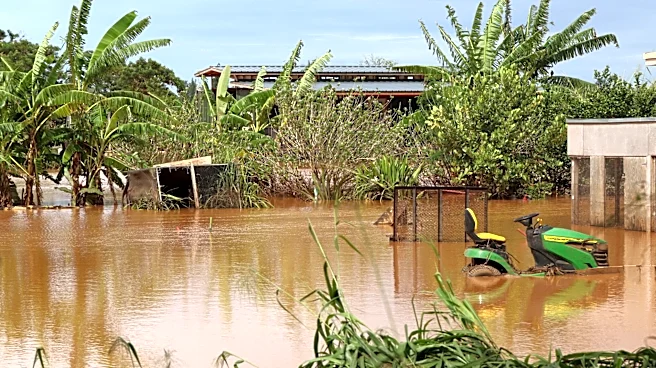
for several months. The department is working on a permanent rockfall protection system, estimated to cost $20 million and expected to take three to four months to complete. The affected stretch spans approximately 700 feet, with traffic being managed through contraflow in the remaining lane. The recent rains have exacerbated conditions on the North Shore, which is still recovering from previous heavy rains and flash flooding. Honolulu City Councilmember Matt Weyer highlighted the preparedness of emergency response teams, which helped mitigate the impact of the latest storm.
Why It's Important?
The lane closure on a major highway like Kamehameha Highway has significant implications for local traffic and the economy. The North Shore is a vital area for tourism and local businesses, and prolonged traffic disruptions could affect these sectors. The $20 million investment in a rockfall protection system underscores the importance of infrastructure resilience in the face of natural events. The incident also highlights the ongoing challenges posed by Hawaii's unique geography and weather patterns, necessitating robust emergency preparedness and infrastructure planning. The cultural significance of the fallen boulders, or pōhaku, adds another layer of complexity, as they are considered living entities in Hawaiian culture, requiring careful handling and respect.
What's Next?
The Hawaii Department of Transportation will continue its efforts to construct the rockfall protection system, with completion expected in three to four months. Traffic management will remain a priority, with flaggers on site to assist with contraflow operations. The cultural practitioners' blessing of the relocated pōhaku in Waimea Valley is scheduled, emphasizing the cultural sensitivity involved in the process. Local authorities and emergency response teams will likely remain vigilant, monitoring weather conditions and preparing for any further natural disruptions. The situation may prompt discussions on further infrastructure investments and emergency preparedness strategies in Hawaii.
Beyond the Headlines
The incident raises broader questions about infrastructure resilience in areas prone to natural disasters. It highlights the need for ongoing investment in infrastructure to protect against the impacts of climate change and extreme weather events. The cultural dimension of the pōhaku also underscores the importance of integrating cultural considerations into infrastructure and emergency response planning. This event may serve as a case study for balancing modern infrastructure needs with cultural preservation, potentially influencing future projects in Hawaii and other regions with similar challenges.