



What's Happening?
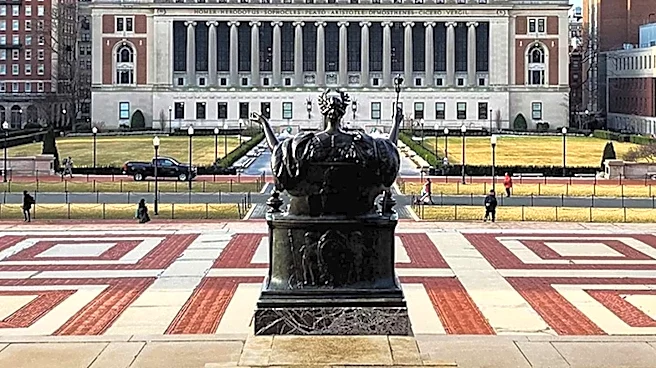
Columbia University's former president, Minouche Shafik, stated during a U.S. House Committee on Education and the Workforce hearing that Professor Mohamed Abdou would 'never work at Columbia again' and had been terminated. This declaration followed questioning
by Representative Elise Stefanik, who referenced pro-Palestinian social media posts made by Professor Abdou after the October 7, 2023, Hamas-led attacks on Israel. Stefanik highlighted a specific post from October 11 where Abdou allegedly stated, 'Yes. I'm with Hamas and Hezbollah and Islamic Jihad.' Shafik expressed 'repugnance' at these remarks and affirmed that faculty making antisemitic statements would face consequences. Professor Abdou, a visiting professor for the Spring 2024 academic term, subsequently sued Columbia University, alleging defamation, discrimination, and harassment. However, the court dismissed his lawsuit, ruling that Shafik's statements were non-actionable true statements of fact regarding his termination and that his claims of discrimination and harassment lacked sufficient evidence of discriminatory animus based on protected characteristics, instead being based on his views on Israel.
Why It's Important?
This event underscores the intense scrutiny U.S. universities face regarding free speech, academic freedom, and responses to antisemitism, particularly in the wake of the October 7th attacks. The congressional hearing and subsequent legal action highlight the delicate balance institutions like Columbia must maintain between protecting faculty's First Amendment rights and addressing concerns about hate speech or support for terrorism. The dismissal of Professor Abdou's lawsuit reinforces the legal boundaries of defamation and discrimination claims in such contexts, suggesting that university leaders' statements made in congressional testimony, when factual or opinion-based, may be protected. This case could influence how other U.S. universities handle similar situations, potentially leading to more cautious approaches in faculty hiring and disciplinary actions when controversial political statements are involved. It also reflects a broader national debate on campus activism and the role of educational institutions in fostering inclusive environments while upholding principles of free expression.
What's Next?
While Professor Abdou's lawsuit has been dismissed at the trial court level, an appeal is anticipated, which could further clarify the legal precedents surrounding academic freedom, free speech, and university disciplinary actions in the context of political expression. The ongoing scrutiny from Congress on university responses to antisemitism and pro-Palestinian activism is likely to continue, potentially leading to more hearings, policy recommendations, or legislative actions. Universities across the U.S. may review and revise their policies regarding faculty conduct, social media use, and the handling of controversial statements to mitigate legal risks and public backlash. The case also sets a precedent for how universities might respond to external pressures, including those from political figures, when addressing internal matters related to faculty employment and speech. The broader conversation about antisemitism and free speech on college campuses will undoubtedly persist, influencing student and faculty activism, as well as public perception of higher education institutions.
Beyond the Headlines
This incident delves into the complex interplay between academic freedom, institutional autonomy, and political pressure in the U.S. higher education system. The congressional hearing, where university presidents were questioned, exemplifies a growing trend of political intervention in university affairs, particularly concerning issues deemed sensitive or controversial. The court's ruling, while dismissing Professor Abdou's claims, highlights the legal distinction between expressing an opinion and making a factual assertion, and how this distinction impacts defamation cases. Furthermore, the case brings to light the challenges universities face in defining and enforcing policies against antisemitism or other forms of hate speech without infringing on protected speech. It also raises questions about the 'chilling effect' such high-profile cases might have on faculty members' willingness to engage in political discourse, especially on contentious international issues. The incident reflects a societal struggle to reconcile differing viewpoints on the Israeli-Palestinian conflict within academic settings, and the increasing demand for accountability from university leadership regarding campus climate and conduct.