



What's Happening?
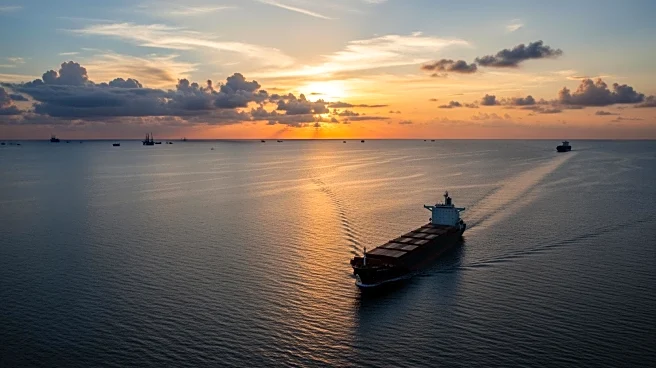
The ongoing military actions by the US and Israel against Iran have led to significant disruptions in key shipping routes, affecting oil and gas production in the region. These disruptions are expected to cause a rise in living costs globally, as examined
by the BBC's Nick Marsh. The conflict has also resulted in retaliatory strikes affecting nearby Middle Eastern states, further complicating the situation. The impact on oil and gas production is particularly concerning, as it could lead to increased fuel prices and subsequently higher costs for goods and services worldwide.
Why It's Important?
The disruption of shipping routes and oil production in the Middle East due to the conflict between the US, Israel, and Iran has far-reaching implications for the global economy. As oil prices rise, the cost of transportation and production of goods is likely to increase, leading to higher consumer prices. This situation could exacerbate inflationary pressures in many countries, affecting economic stability and growth. The conflict also highlights the vulnerability of global supply chains to geopolitical tensions, underscoring the need for diversified energy sources and more resilient supply chain strategies.
What's Next?
The continuation of military actions and their impact on oil production and shipping routes will be closely monitored by global markets. Countries dependent on Middle Eastern oil may seek alternative energy sources to mitigate the impact of rising prices. Additionally, international diplomatic efforts may intensify to de-escalate the conflict and stabilize the region. Businesses and consumers worldwide will need to prepare for potential price increases and supply chain disruptions as the situation evolves.